
Clinopodium uhligii
Clinopodium uhligii
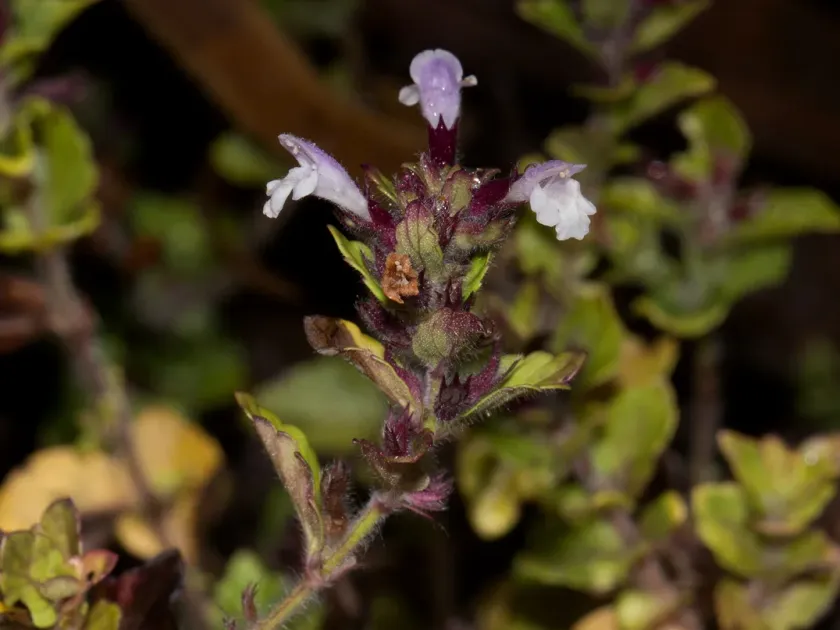
Description
Sowing dates
Sowing Clinopodium uhligii seeds is best performed during the spring season when soil temperatures reach a consistent 10–12°C for optimal germination.
For controlled environments, starting seeds in greenhouses 6–8 weeks before the last frost allows for the development of robust seedlings ready for transplanting.
The seeds of this species are small, requiring shallow sowing at a depth of no more than 0.5–1 cm to ensure adequate light exposure for growth.
When sowing directly into the field, maintaining row spacing of 40–50 cm is critical to allow for effective weed management and crop maintenance during the season.
After seeding, lightly rolling the soil surface helps secure the seeds and improves moisture contact, significantly increasing the uniformity of the crop emergence.
Growing requirements
As a member of the Lamiaceae family, Clinopodium uhligii thrives in well-lit, sunny areas that receive full exposure for maximum essential oil production.
The plant prefers light, well-drained soil, such as sandy loams, and is highly sensitive to waterlogged conditions which can lead to root system degradation.
Soil pH should ideally be neutral to slightly alkaline, as these conditions favor the absorption of essential micronutrients needed for healthy plant development.
While the species exhibits moderate drought tolerance, consistent moisture is necessary during the early stages of vegetative growth to ensure high yields.
- Requires full sun exposure throughout the day.
- Needs good airflow to prevent fungal moisture buildup.
- Requires soils with high organic matter content for best performance.
Yield
The yield of Clinopodium uhligii is primarily determined by soil nutrition, sunlight intensity, and the precision of the harvest timing during the vegetative peak.
Under intensive cultivation methods, growers can achieve consistent biomass production suitable for pharmaceutical extraction and essential oil distillation.
The plant's perennial nature means that yield often increases in the second and third years as the plant develops a more extensive branch structure.
Effective population management, including thinning and weed control, is essential to reduce competition and maximize the output of every individual plant.
Strategic applications of organic fertilizers during the pre-flowering stage can significantly enhance the oil content and overall dry mass of the harvest.
Main diseases and pests
Common threats to this crop include root rot and fungal spotting, which often occur if the soil remains excessively wet or drainage is insufficient.
Powdery mildew may develop in humid or overcrowded conditions, requiring proactive cultural practices such as spacing plants to improve air circulation.
Pests like aphids and spider mites can infest the foliage, especially during dry spells, potentially reducing the overall vitality and quality of the harvest.
Integrating biological control methods or using environmentally safe insecticides is recommended to manage pest pressure without harming beneficial pollinators.
Implementing a crop rotation strategy is the most effective preventative measure against soil-borne pathogens that might otherwise accumulate in the plot.
Harvesting
The optimal harvest window is during full bloom, as this is when the essential oil concentration in the leaves and flowering spikes is at its absolute maximum.
Harvesting involves cutting the upper foliage while leaving enough stem base to allow the plant to regenerate for subsequent cuts or future growth seasons.
Rapid transport of harvested material to the processing or drying site is crucial to prevent the loss of volatile aromatic compounds and degradation of quality.
Drying should take place in a shaded, well-ventilated area at temperatures not exceeding 40°C to preserve the plant's chemical and structural integrity.
Once dried to the desired moisture level, the plant material is threshed to separate leaves from stems, then packed in airtight containers for storage.