
Coleus and Perilla
Solenostemon scutellarioides x Perilla frutescens
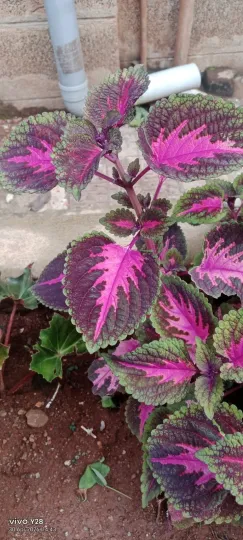
Description
Sowing dates
Sowing seeds of Coleus and Perilla is best performed in late February or March. Given the tiny size of the seeds, they should be surface-sown onto damp, well-draining soil and lightly pressed down without covering them.
Maintaining a constant temperature between 20 and 24 degrees Celsius is essential for successful germination. Using a humidity-controlled environment, such as a propagator or a plastic cover, ensures the moisture levels remain stable until sprouts appear.
Seedlings should be pricked out and transplanted into individual pots once they develop their first set of true leaves. This promotes the development of a strong, healthy root system necessary for vigorous growth.
Transitioning plants to outdoor conditions should only occur after all threats of frost have passed. Gradually hardening off the plants over two weeks is crucial for their survival in the garden environment.
Proper spacing is vital to allow for air circulation, which prevents the development of fungal diseases. Generally, plants should be placed 25–30 centimeters apart to ensure each specimen has enough room to flourish.
Growing requirements
Both Coleus and Perilla belong to the Lamiaceae family and require fertile, well-drained soil rich in organic matter. They thrive best in slightly acidic or neutral soil conditions, avoiding heavy clay-based substrates.
Light management is a critical aspect of their cultivation. While they enjoy bright, indirect light, direct midday sun can bleach the leaves or cause severe sunburn, especially in warmer climates.
The optimal temperature range for these plants is 18–25 degrees Celsius. They are very sensitive to cold and can experience growth stuntedness or plant mortality if temperatures drop below 12–15 degrees.
Consistent moisture is key; the soil should never be allowed to dry out completely. However, over-watering can lead to root rot, so ensuring that pots or garden beds have excellent drainage is mandatory.
Applying a balanced liquid fertilizer every two weeks during the growing season will ensure vibrant foliage color. Using a formula with lower nitrogen can sometimes improve the intensity of the colorful patterns on the leaves.
Main diseases and pests
Spider mites are the most common pest, particularly in dry and hot conditions. They thrive on the underside of leaves, causing yellowing and webbing that can weaken the plant significantly over time.
Aphids tend to cluster on new growth, sucking sap and causing curled or distorted leaves. Control can be managed through regular inspections and the application of neem oil or insecticidal soaps.
Powdery mildew is a common fungal infection triggered by high humidity and poor airflow. Providing enough space between plants and avoiding overhead irrigation can significantly reduce the risk of this disease.
Root rot is a major threat caused by waterlogged soil. It is often asymptomatic until the plant begins to wilt permanently, so prevention through proper drainage and watering discipline is the best defense.
Whiteflies can be a significant nuisance in greenhouse environments. Their presence promotes the growth of sooty mold on the foliage, which can impair the plant's ability to photosynthesize effectively.
Harvesting
Frequent pinching of the main stem is recommended to encourage bushier growth and prevent premature flowering. Flowering diverts energy from foliage production, so it is often removed in ornamental cultivation.
For culinary use, Perilla leaves should be harvested while they are young and tender. Regular harvesting of the upper leaves encourages the plant to produce more side shoots, maximizing the total yield.
Harvested leaves are best used immediately or stored in a refrigerator within damp paper towels to maintain their freshness. Drying the leaves for later use is possible, though some flavor profile may be lost.
Before the first autumn frost, plants can be potted and moved indoors to overwinter. A bright, cool room with stable temperatures will allow them to survive until the next gardening season.
Seed collection is possible once the flower spikes have turned brown and dried. Seeds should be shaken into a bag, cleaned of debris, and stored in a cool, dark place to maintain high germination rates for future years.