
Snow gooseberry
Ribes niveum Lindl.
Description
Growing requirements
The Snow gooseberry (Ribes niveum) is a deciduous shrub belonging to the Grossulariaceae family. Native to the northwestern parts of the United States, this species is typically found in moist mountain habitats, canyons, and along stream banks, which dictates its preference for specific environmental conditions.
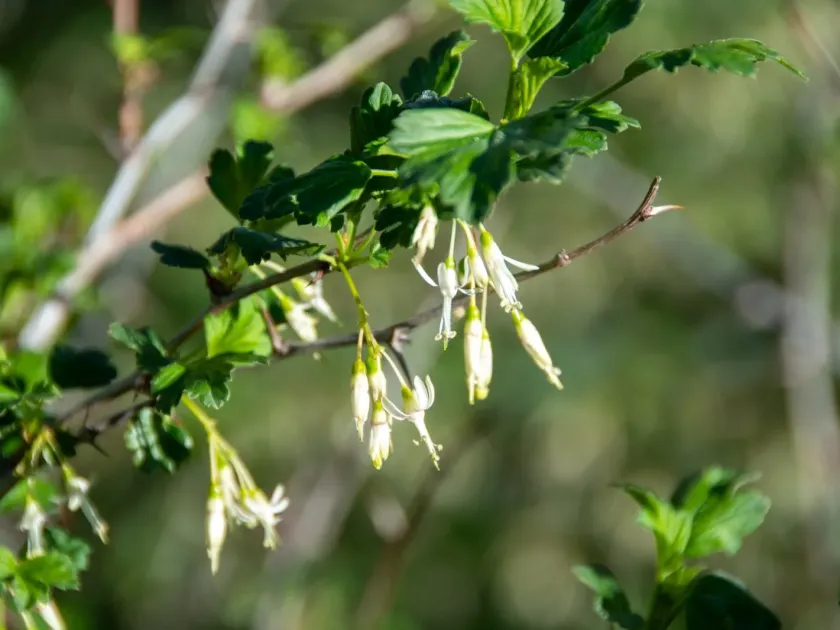
Botany-wise, the plant can grow up to 2 meters in height. It is characterized by its stiff branches often armed with thorns at the nodes. The foliage is typically five-lobed and serrated, while the flowers are noted for their distinct white coloration, making the shrub quite recognizable among other Ribes species.
In terms of growing requirements, Ribes niveum thrives in temperate climates with well-drained, fertile soil. It performs best in locations that provide adequate moisture throughout the growing season but is intolerant to waterlogged soils, which can predispose the root system to various fungal infections.
The agrotechnology for this species focuses on creating a stable, slightly acidic soil environment. Regular pruning is essential to remove old, non-productive wood and to encourage new, vigorous growth. This practice ensures better light penetration and air circulation throughout the shrub canopy.
Economically, the Snow gooseberry is highly regarded in horticultural research. Its notable genetic resistance to certain types of mildew and environmental stress makes it a vital tool for breeders seeking to develop high-yielding, resilient gooseberry varieties for commercial agriculture.
Main diseases and pests
The primary threats to Ribes niveum include powdery mildew, a common disease that can cover leaves and stems in a white mycelial mat. Implementing strict sanitation practices, such as removing fallen leaves and pruning infected tips, is crucial for maintaining plant health.
Pests, particularly aphids and various leaf-eating larvae, can cause significant damage if left unmanaged. Integrated pest management, involving beneficial insect encouragement and localized treatments when necessary, is the most effective approach to protecting the harvest.