
Redcurrant
Ribes rubrum L.
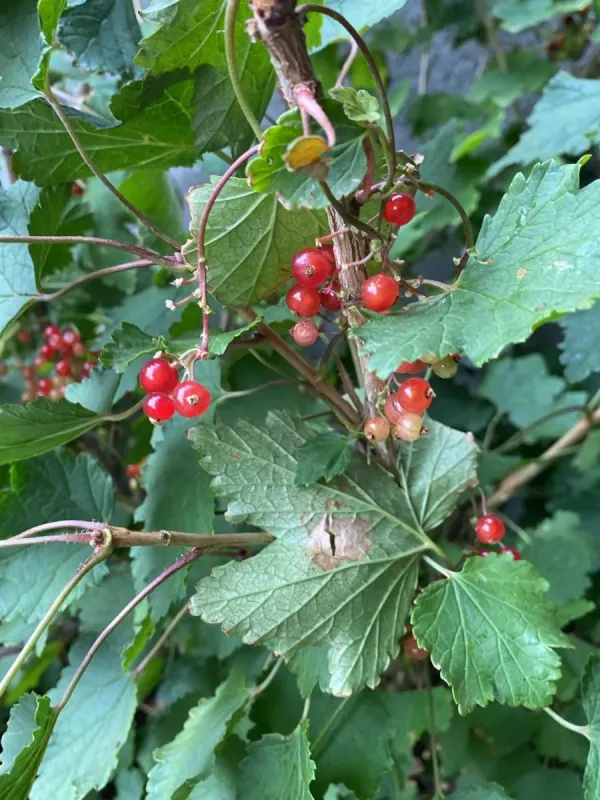
Description
Growing requirements
Redcurrant (Ribes rubrum L.) is a deciduous shrub that belongs to the Grossulariaceae family. Native to Western and Central Europe, it is now widely cultivated across various temperate regions worldwide for its acidic, nutrient-rich berries.
The crop thrives in fertile, well-draining soils with a pH level between 6.0 and 7.0. It prefers loamy textures that hold sufficient moisture during the growing season without becoming waterlogged, which is detrimental to root health.
Redcurrants are highly adaptable to cold climates and require a period of winter dormancy to initiate healthy flowering. They perform best in sunny locations but can tolerate partial shade, especially in hotter regions where intense afternoon heat might scorch the foliage.
Standard horticultural practices include pruning during the dormant season to remove old, woody branches and encourage new growth. Adding organic mulch around the base of the plant helps maintain soil moisture levels and suppresses weeds throughout the spring and summer.
In terms of usage, the redcurrant is a staple in the production of jams, jellies, and desserts due to its high pectin content. Additionally, its juice is frequently used in culinary applications, beverages, and as a flavoring agent in specialized food production.
Yield
Commercial yields for established redcurrant plantations typically range from 8 to 12 tons per hectare depending on the cultivar. A well-maintained individual shrub can produce substantial quantities of fruit, making it ideal for both small gardens and large-scale operations.
Main diseases and pests
The most significant fungal threats include leaf spot and powdery mildew, which can lead to significant defoliation if left unmanaged. Fungicide applications and proper plant spacing are critical for maintaining a healthy canopy.
Insects like the currant borer and aphids are common pests that target stems and young foliage. Integrated pest management strategies, such as biological control or timely insecticide use, are essential for maintaining yield quality.
Harvesting
The harvest period typically begins in mid-summer when the berries reach their full color and sugar maturity. Since redcurrants grow in clusters (strigs), they are harvested by picking the entire cluster rather than individual berries.
Proper handling during the harvest is crucial to maintain fruit integrity. Once picked, the fruit should be cooled immediately to extend its shelf life, as fresh redcurrants are highly perishable if kept in warm environments.