
Buffalo currant
Ribes aureum Pursh
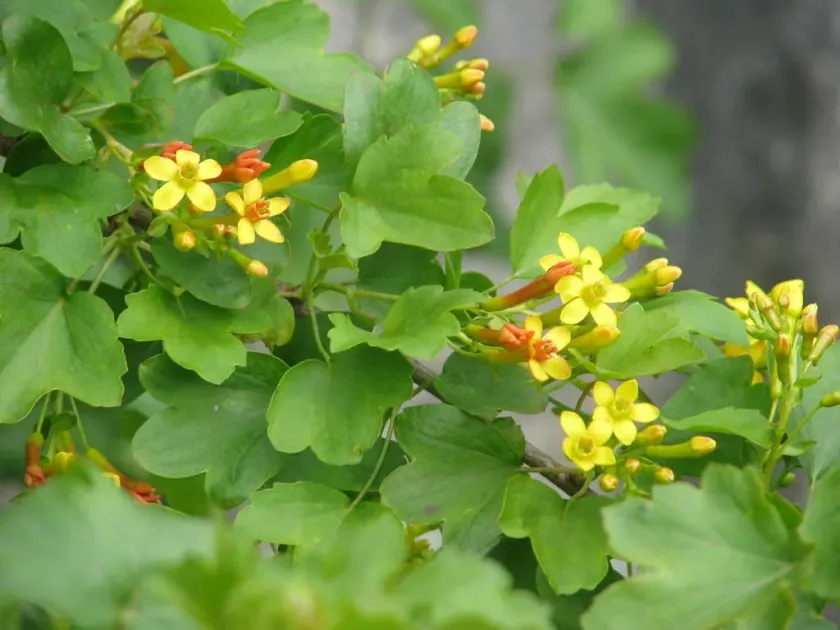
Description
Sowing dates
Planting of buffalo currant (Ribes aureum) is best performed during the autumn dormant period, allowing the root system to establish before the ground freezes solid.
Early spring planting is also a viable option, provided it is completed as soon as the soil can be worked and before the leaf buds begin to swell.
For agricultural purposes, space the shrubs approximately 1.5 to 2 meters apart to allow for proper airflow and to facilitate mechanical maintenance between rows.
Prepare the planting holes to be at least 50 cm wide and deep, incorporating organic matter such as compost to provide a nutrient-rich environment for initial growth.
Always plant the shrub slightly deeper than it was in the nursery pot to encourage the development of vigorous new shoots from the root crown.
Growing requirements
Ribes aureum is renowned for its exceptional cold hardiness, successfully thriving in regions with extreme winter temperatures that would kill other berry species.
The shrub displays remarkable drought tolerance, possessing a deep and expansive root system that enables it to survive in arid environments with minimal rainfall.
It is highly adaptable to various soil types, including sandy, clay, or rocky soils, and it can even tolerate slightly alkaline or saline conditions better than most currants.
Full sun is essential for optimal productivity, as shaded plants will produce significantly lower fruit yields and may become susceptible to leggy growth.
Beyond its agricultural value, the plant is frequently used in conservation for windbreaks and erosion control due to its hardy nature and robust growth habit.
Yield
A mature, well-maintained buffalo currant bush can yield between 5 and 8 kilograms of fruit annually, depending on the cultivar and the environmental conditions.
The shrub is a long-lived perennial, with bushes capable of producing high-quality harvests for over two decades when provided with basic annual care.
The berries are rich in vitamins, particularly vitamin C and antioxidants, making them highly valued for both fresh consumption and the production of artisan jams.
The fruit's ability to remain on the bush without dropping after ripening simplifies harvest logistics, allowing farmers more flexibility during the peak harvest window.
Its late-season flowering cycle significantly reduces the risk of crop loss from late spring frosts, ensuring more consistent yields compared to other ribes species.
Main diseases and pests
Buffalo currant is famously resistant to many common fungal diseases, including powdery mildew and anthracnose, which often plague commercial black currant plantations.
Aphids can occasionally be a concern, particularly on tender new growth in the spring, so monitoring should be prioritized during the early stages of development.
Spider mites may appear during prolonged hot, dry spells, necessitating regular observation and possible intervention with biological or horticultural oil sprays.
To minimize pest issues, maintain a clear area around the base of the plant and perform annual pruning to remove dead or overly dense wood, improving light penetration.
By keeping the shrub healthy and well-pruned, the plant naturally strengthens its defenses, making chemical control measures largely unnecessary in most cases.
Harvesting
The harvest season for buffalo currant typically occurs in mid-to-late summer, when the berries turn a deep, glossy black, indicating peak sugar content.
Harvesting should be conducted during dry weather, as wet berries are more susceptible to mold and bruising during the collection and transport process.
Because the berries are firmly attached to the stem, manual harvesting is standard, though the process is efficient due to the clusters being easy to grasp.
Once picked, the berries exhibit excellent shelf life compared to other berries, allowing for easier handling and longer storage durations without immediate spoilage.
The fruit is highly versatile, suitable for fresh market sales, industrial processing into juices, or preservation through freezing, retaining its nutritional integrity throughout.