
Jostaberry
Ribes x nidigrolaria Rud. Bauer et A. Bauer
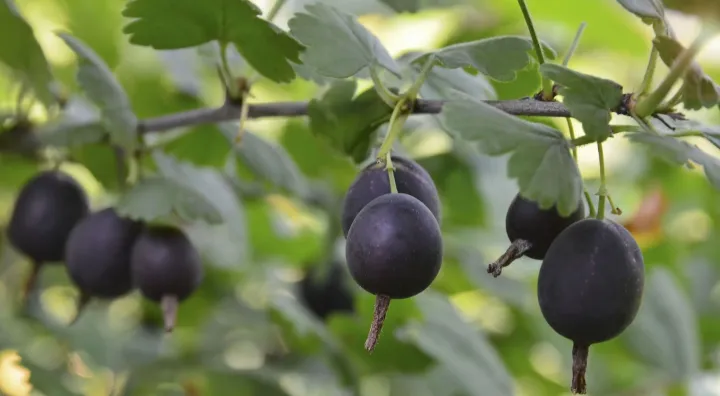
Description
Growing requirements
Jostaberry (Ribes x nidigrolaria) is a complex interspecific hybrid derived from the cross-breeding of blackcurrant, coast gooseberry, and garden gooseberry. It belongs to the Grossulariaceae family.
The plant is a vigorous, thornless shrub that can reach a height of one and a half to two meters. Unlike its parent species, it exhibits high winter hardiness and robust immunity to common fungal diseases, such as powdery mildew.
For optimal growth, Jostaberry requires well-lit locations with fertile, well-draining soil. It thrives in loamy soils with a neutral to slightly acidic pH and a high content of organic matter.
Proper agronomic management involves regular watering, especially during the fruit-set stage, and mulching the root zone to maintain soil moisture. The bush requires annual sanitary and structural pruning, as its stems show intense vegetative growth.
The culinary applications of Jostaberry are vast: berries can be eaten fresh, or processed into jams, jellies, preserves, and wines. High in Vitamin C and anthocyanins, the berry is recognized as a valuable health food.
Main diseases and pests
Jostaberry is known for its high resistance to diseases that typically affect blackcurrants and gooseberries. However, improper cultural practices can occasionally lead to aphid or spider mite infestations.
In conditions of excessive humidity, anthracnose may occur, causing premature leaf drop. Regular thinning of the canopy is recommended to prevent such outbreaks and improve air circulation.
Pest control is best managed through biological insecticides and maintaining sound horticultural hygiene if other berries are present in the garden.
Maintaining an open structure within the bush is crucial, as poor airflow creates an environment prone to fungal pathogen development.
Balanced care and soil management help minimize the need for chemical intervention, ensuring the harvest remains sustainable and healthy.
Harvesting
The harvest season for Jostaberry typically begins in July and can last for several weeks due to the asynchronous ripening of the fruits.
The berries hold firmly to their stems, allowing them to remain on the shrub for an extended period without dropping or losing their quality.
It is best to harvest the fruit during dry weather to ensure longevity during storage. Jostaberry fruits are firm and possess excellent shelf life and transportability.
For fresh consumption, it is recommended to harvest berries when they are fully ripened and deeply colored. For culinary processing, berries at the technical maturity stage are sufficient.
The average yield of a mature shrub ranges from 5 to 10 kilograms, depending on the specific growing environment and the age of the plant.