
Bladder campion
Silene vulgaris (Moench) Garcke
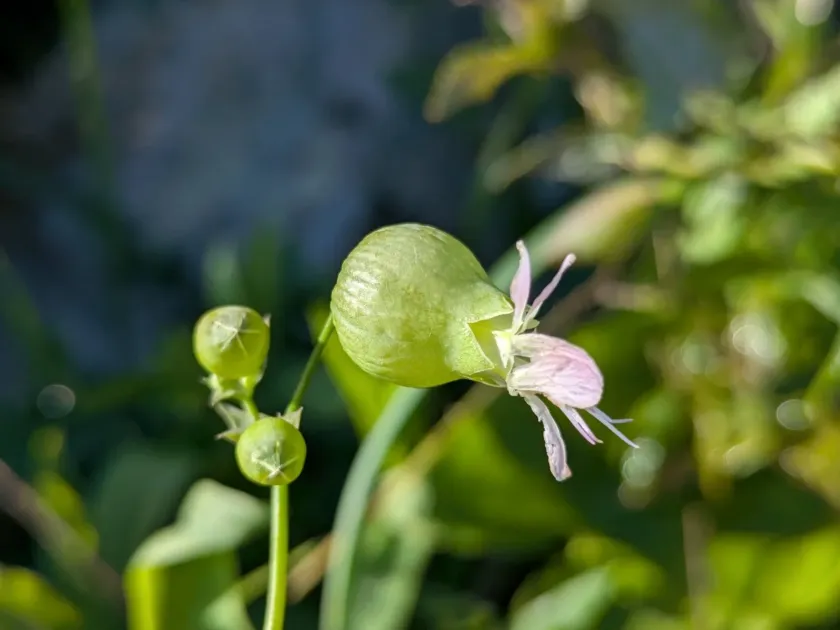
Description
Sowing dates
Bladder campion is primarily propagated through seeds, usually sown in early spring or late autumn. The optimal time for sowing in the field is when soil temperatures reach 10–12 degrees Celsius.
Seeds should be planted at a depth of no more than 1–2 centimeters to ensure uniform germination. During the first weeks after emergence, it is crucial to maintain moderate soil moisture to help the plants establish a strong root system.
In commercial cultivation, row sowing is used with 30–40 cm spacing between rows, which simplifies subsequent field maintenance. Seeding density is adjusted based on the objective: higher for green forage production and lower for seed production.
Pre-sowing soil preparation is a vital stage, including deep tillage and the application of organic fertilizers. The crop responds well to loose, aerated soils, so thorough preparation is essential.
After sowing, lightly rolling the soil is recommended to improve seed-to-soil contact. In arid regions, an irrigation system should be implemented to prevent the surface layer of the soil from drying out.
Growing requirements
Silene vulgaris is a member of the Caryophyllaceae family and is known for its high ecological plasticity. It grows successfully in various soil types, including stony, sandy, and calcareous soils, preferring well-drained locations.
The plant possesses exceptional winter hardiness and can endure harsh temperate climates without loss of viability. It is a light-demanding crop, requiring open, well-lit areas for optimal development.
The plant has few specific moisture requirements as its root system is capable of extracting water from deep soil horizons. While it is quite drought-tolerant, its productivity decreases significantly in waterlogged or swampy soils.
The optimal pH level for this crop falls within the slightly acidic to neutral range. The plant responds well to mineral fertilizers, especially nitrogen, during the early growth stages, which promotes vigorous vegetative development.
Naturally occurring across Europe, North Africa, and much of Asia, the plant demonstrates a high capacity to adapt to a broad range of temperatures. It rarely suffers from spring frosts after the initial growth phase.
Yield
Agricultural use of Bladder campion is most often associated with its value as a forage plant for livestock. Its leaves and young shoots are characterized by high nutritional value and are palatable to many species of livestock.
Green mass yield depends directly on stand density and soil fertility. Under favorable conditions with regular irrigation, the plant can provide multiple cuts per growing season.
The crop is also valued for its ornamental properties and its use in landscaping as a low-maintenance perennial. In some regions, young shoots are harvested for human consumption, often compared to asparagus in taste.
When grown for seeds, yields may vary depending on weather conditions during flowering and pollination. The plant serves as a good nectar source, which helps attract pollinators to the agro-ecosystem.
Maximum productivity is typically observed in the second and third years after sowing. After this period, plantations usually require rejuvenation or crop rotation to avoid excessive crowding and a decline in plant vigor.
Main diseases and pests
Bladder campion is resistant to many common agricultural diseases, but it can be affected by fungal infections if agronomic practices are neglected. Powdery mildew is among the most frequent issues encountered.
In conditions of high humidity and poor air circulation, rust can develop on the leaves. To prevent the spread of infection, it is recommended to maintain spatial isolation and promptly remove any affected plant parts.
Pests such as leafrollers and aphids can damage young shoots in early summer. If pest populations reach economic thresholds, biological or approved chemical control agents should be applied according to regulations.
Weed competition poses the greatest threat to young stands, as the crop grows slowly during its initial stages. Regular weeding is mandatory for achieving high yield indicators.
It is important to monitor root health, as excessive organic matter can lead to root rot. Prevention involves practicing crop rotation and avoiding monoculture planting in the same spot for more than four years.
Harvesting
Harvesting for green mass should take place during the active growth phase, before the mass formation of reproductive organs, to preserve maximum nutritional content and tenderness. The optimal time is just before or at the start of flowering.
For seed collection, harvesting should be performed when the capsules turn a characteristic brown or yellowish color. It is critical to harvest before they shatter to prevent self-seeding and crop loss.
Harvesting can be done mechanically or manually, depending on the scale of the field. After mowing, green mass should be dried quickly in the shade to preserve its vitamin content if it is intended for forage.
After collecting the seed material, it must be cleaned of impurities and dried in a well-ventilated area. Seed storage should be conducted in paper bags or cloth sacks under stable humidity conditions.
Roots used in traditional medicine or for technical purposes are harvested in late autumn when they contain the highest concentration of bioactive compounds. After digging, they should be thoroughly washed and dried at low temperatures.