
Sticky catchfly
Silene viscaria (L.) Jess. subsp. viscaria
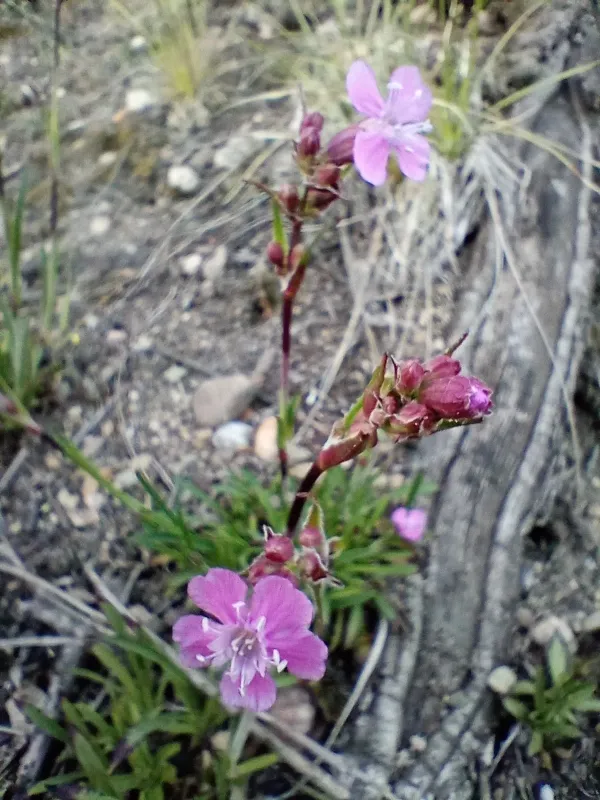
Description
Sowing dates
Sticky catchfly (Silene viscaria) is typically propagated via seeds, which can be sown directly outdoors in late autumn or early spring. The seeds are small and require light for germination, so they should be only lightly covered with soil.
For indoor propagation, start seeds in late winter in a well-draining potting mix. Keep the containers in a bright location with temperatures around 18–20 degrees Celsius for optimal results.
When transplanting seedlings to their permanent location, maintain a spacing of 25–30 centimeters. Proper spacing is essential to ensure adequate airflow and healthy plant development.
Sticky catchfly seeds generally show good germination rates if provided with consistent moisture. Early weeding is crucial to protect young seedlings from competition with more aggressive plants.
Providing a light mulch layer around the plants can help retain soil moisture and regulate soil temperature during the critical first few weeks of growth.
Growing requirements
Belonging to the Caryophyllaceae family, Sticky catchfly is a robust perennial herb known for its adaptability. It thrives best in temperate regions with well-drained, fertile soil.
The plant prefers full sun exposure to maintain its compact growth habit and vibrant color. Shady conditions often result in leggy stems that lack structural integrity.
It is not particularly fussy about soil pH but performs best in slightly acidic to neutral soils. Excellent drainage is non-negotiable, as the roots are sensitive to waterlogging.
Sticky catchfly is highly winter-hardy and requires little special care to survive cold temperatures. During the summer, it can tolerate occasional dry spells, though moderate watering helps during the flowering peak.
Fertilizing with a balanced liquid fertilizer during the spring growth phase encourages stronger flowering and healthier foliage throughout the season.
Yield
Sticky catchfly is primarily cultivated for ornamental purposes, making it an excellent addition to wildflower meadows and traditional perennial borders.
Its nectar-rich flowers attract a diverse array of pollinators, including bees and butterflies, which benefits the overall ecosystem of the garden or small farm.
Traditionally, some parts of the plant have been used for their mild medicinal properties, though its modern role is firmly rooted in landscape aesthetics and biodiversity enhancement.
The plant is highly valued by horticulturists for its long-lasting, striking blooms that provide visual interest from late spring through early summer.
Regular deadheading of spent flower stalks is recommended to promote tidiness and prevent self-seeding if the gardener wants to maintain specific planting densities.
Main diseases and pests
The main threat to Silene viscaria is fungal pathogens caused by excessive humidity. Root rot can occur quickly if the planting site does not provide adequate drainage.
Pests like aphids are common in the early summer and may target the soft growing tips of the plant. A gentle spray of water or organic soap is often sufficient for management.
Powdery mildew can affect the foliage during periods of stagnant air and high humidity. Maintaining proper plant spacing helps to naturally mitigate this risk.
Spider mites may appear during prolonged heatwaves, causing yellowing of the leaves. Increasing humidity around the plant can help deter these small pests.
To keep the plants healthy, it is vital to clean up any decaying foliage at the end of the season to remove potential overwintering spots for various pathogens.