
Sticky catchfly hybrid
Silene suecica x Silene viscaria
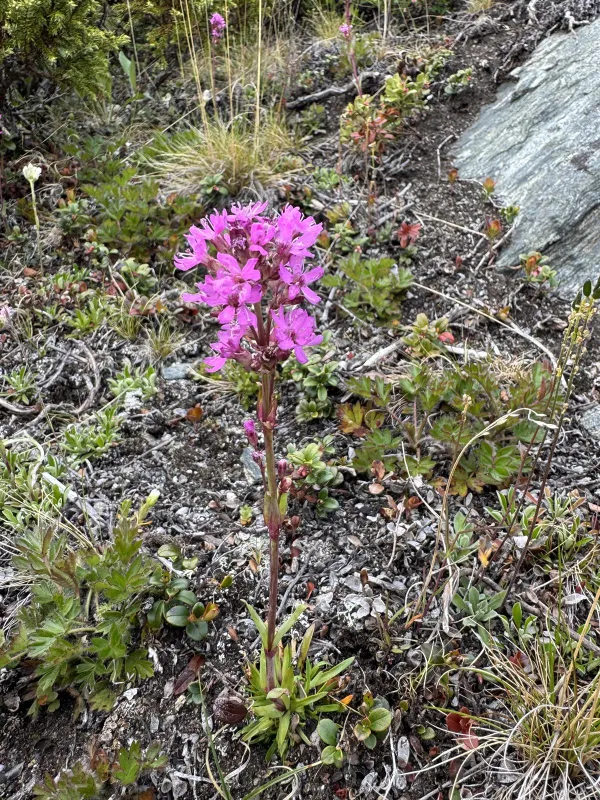
Description
Sowing dates
Sowing of sticky catchfly hybrid seeds is typically performed in early spring, from April to May, once the soil has sufficiently warmed up. Autumn sowing is also possible, which benefits from natural stratification and promotes earlier spring emergence.
For direct seeding in the field, choose sunny locations with well-drained soil. Seeds should be sown at a shallow depth of approximately 0.5–1 cm, as they require light to germinate efficiently.
When using the greenhouse method, seeds are started in trays in March. The seedlings are transplanted outdoors once the risk of night frosts has passed, maintaining a spacing of 25–30 cm between plants to ensure proper development.
Soil moisture management is critical during the initial sowing phase. Germination usually occurs within 14–20 days, depending on environmental temperatures, after which the plants begin their vegetative phase.
Hybrid varieties often exhibit vigorous growth, necessitating regular thinning of the crop. Proper spacing is essential for good air circulation, which helps prevent various fungal and bacterial infections in dense plantings.
Growing requirements
The Sticky Catchfly (Silene viscaria) is a member of the Caryophyllaceae family. Hybrid forms of this crop are highly adapted to temperate climates and show excellent resilience against fluctuating environmental conditions.
The culture prefers light, sandy, or loamy soils with a neutral or slightly acidic pH. Waterlogging is detrimental to this species; therefore, adequate drainage is necessary in areas with heavy or clay-rich soils.
Sunlight is the primary requirement for successful growth and blooming. While the plant can tolerate partial shade, full sun exposure is ideal for maintaining its structural integrity and vibrant flowering capacity.
During the active growing season, consistent moisture levels are required. Although the plant is relatively drought-tolerant, supplemental irrigation during dry spells ensures high-quality plant development and healthier foliage.
Fertilization regimes should be based on soil nutrient testing. Applying balanced mineral fertilizers at the beginning of the rosette stage and just prior to the budding stage significantly enhances the plant's overall productivity.
Main diseases and pests
Aphids and leaf-eating insects are the primary pests that can affect sticky catchfly crops. Systemic insecticides are recommended for managing outbreaks, ensuring the crop remains healthy and visually appealing throughout the season.
Fungal diseases, including rust and leaf spot, may appear under conditions of high humidity or poor air circulation. Proper spacing, timely weeding, and maintaining a clean growing environment are the best preventive measures.
Root rot is a significant risk caused by overwatering or soil compaction. Affected plants must be promptly removed, and irrigation schedules adjusted to prevent the spread of the infection within the field.
Nematodes can potentially damage the root system, particularly in poorly maintained soils. Implementing a strict crop rotation program and using certified planting material are essential strategies to maintain field hygiene.
Viral infections are often transmitted by sap-sucking insects. Monitoring the crop for unusual foliage patterns and controlling insect vectors are critical tasks for agronomists to protect the yield and plant health.