
Drooping Catchfly
Silene pendula L.
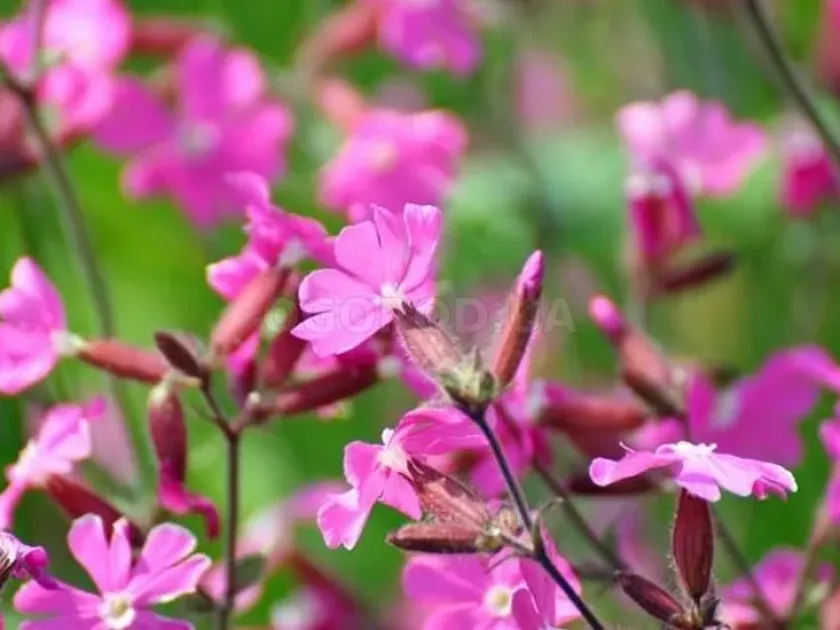
Description
Sowing dates
Silene pendula L., commonly known as Drooping Catchfly, is a flowering plant belonging to the Caryophyllaceae family. It is widely cultivated for its ornamental value in landscaping, borders, and hanging baskets.
For best results, seeds should be sown directly outdoors in late spring once the danger of frost has passed. The soil surface should be finely tilled and leveled to ensure consistent seed-to-soil contact.
Sowing depth should be minimal, as the seeds require light to germinate effectively. A light covering of sifted compost or horticultural sand is usually sufficient to protect the seeds from displacement.
Seedlings emerge within two weeks under optimal temperature conditions (15–20 degrees Celsius). It is crucial to thin the seedlings early to prevent overcrowding, which can hinder plant vigor and airflow.
In regions with cooler climates, starting seeds indoors 6 to 8 weeks before the last frost date allows for a longer flowering period during the spring and early summer months.
Growing requirements
The Drooping Catchfly thrives in full sun, which is essential for producing vibrant flowers and maintaining a compact growth habit. Partial shade may be tolerated in warmer climates to prevent early bolting.
Soil requirements include excellent drainage and a neutral to slightly acidic pH. The plant does not tolerate waterlogged conditions, making well-drained sandy or loamy soils the most suitable for successful cultivation.
Regular maintenance involves light irrigation during dry spells. However, it is vital to keep the foliage dry during watering to reduce the risk of leaf spot diseases and rot, which are common in dense canopies.
Nutrient management focuses on balanced fertilizer applications at the beginning of the growth stage. Avoid excessive nitrogen, which promotes vegetative overgrowth at the expense of flower production.
Mulching is not strictly necessary but can help maintain moisture levels in the soil, provided that the mulch does not come into direct contact with the base of the stems, preventing fungal infection.
Main diseases and pests
Powdery mildew represents the most frequent fungal challenge for this species, especially in environments with high humidity and stagnant air. Management involves improving plant spacing and, if necessary, using sulfur-based fungicides.
Root rot caused by Oomycetes is a significant risk in heavy, poorly drained soils. The primary mitigation strategy is to improve the soil structure and avoid over-irrigation during periods of high precipitation.
Aphids are the most prevalent insect pest, often clustering on the undersides of leaves and flower buds. Their feeding can cause stunted growth and the transmission of secondary viral issues.
Slugs and snails may attack young, tender seedlings in the early spring, requiring physical barriers or appropriate baits to protect the crop during the vulnerable establishment phase.
Sanitation is key to disease prevention. Removing spent plants and clearing garden debris after the flowering season helps reduce the overwintering potential of various pests and fungal spores.