
Silene gallica
Silene gallica L.
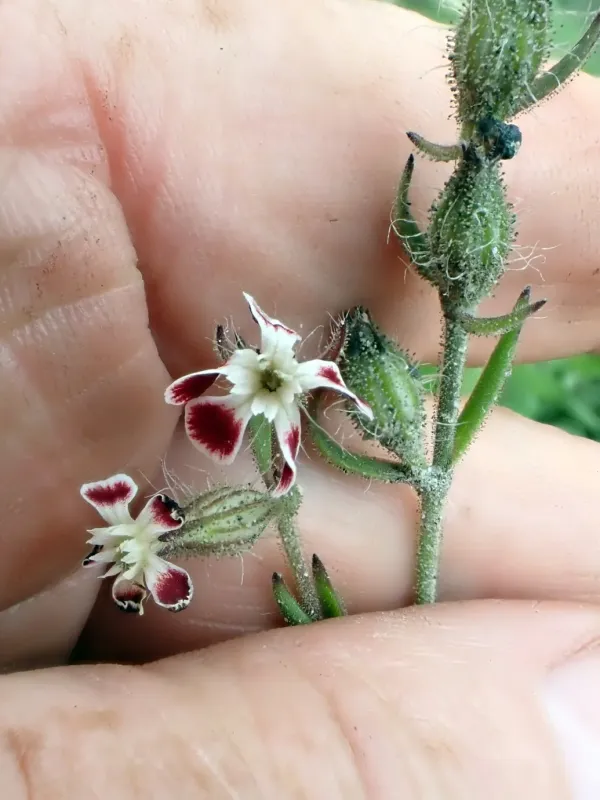
Description
Sowing dates
Silene gallica is an annual herbaceous plant that fits well into various agricultural cycles. Seeds typically germinate during the cooler autumn months or early spring, following favorable moisture conditions in the topsoil.
Autumn-germinated seedlings undergo a period of vernalization, which enables faster growth and increased competitiveness against winter cereal crops in early spring. Spring-emerging populations appear as soon as soil temperatures reach 5-10 degrees Celsius.
The seeds are small and possess limited energy reserves, meaning they must germinate from shallow soil depths of 2-3 centimeters. Deep tillage can bury seeds, causing them to enter a state of dormancy that lasts for several seasons.
The seed bank longevity of this species is a significant management challenge. Once the soil seed bank is established, the plant can reappear in fields for several consecutive years, necessitating long-term weed management plans.
Effective control strategies focus on pre-emergence mechanical operations and the use of competitive crop varieties that canopy quickly, effectively shading out the developing seedlings of the catchfly.
Growing requirements
Belonging to the Caryophyllaceae family, Silene gallica exhibits a preference for light, sandy, or well-drained soils. While it can survive on heavier soil types, it performs best where competition for soil aeration is not a limiting factor.
Light availability is critical for the survival of this species. It is primarily identified as an opportunistic weed that thrives in gaps within crop stands. Maintaining high crop density is the most effective cultural method to suppress its growth.
The plant demonstrates good tolerance to moderate temperature fluctuations and is resilient during the early stages of the growing season. However, prolonged heat stress during the flowering phase can significantly reduce its seed production capabilities.
Nutrient management plays a vital role in suppression. By providing optimal fertilization for the main crop, farmers ensure a rapid growth rate that creates a strong barrier against the establishment of Silene gallica seedlings.
This weed is highly adaptable to various climatic zones, provided there is enough moisture to support its rapid development cycle. It often acts as a pioneer species in disturbed agricultural sites.
Main diseases and pests
While Silene gallica is not a major host for primary crop diseases, it can serve as a reservoir for various generalist pests and aphids, which may act as vectors for viral diseases within an agricultural landscape.
The primary economic threat posed by this species is direct competition for soil moisture and nutrients. In nutrient-poor soils, the presence of these weeds can lead to significant yield reductions for main crops like cereals or legumes.
Pests that feed on the reproductive parts of the plant can influence the weed's survival, but they rarely eliminate the infestation. The plant's ability to produce thousands of seeds per individual ensures its survival despite herbivore pressure.
Contamination of harvested grain with the seeds of Silene gallica is a critical issue for quality control. These seeds are difficult to separate from many industrial crops, necessitating expensive post-harvest cleaning and seed sorting.
Integrated weed management, including the use of herbicides, clean crop seeds, and mechanical control, is recommended to mitigate the impact of this species on overall farm productivity and economic sustainability.