
Rose campion
Silene coronaria (L.) Clairv.
Description
Sowing dates
Rose campion, botanically known as Silene coronaria, is an herbaceous perennial that is easily propagated by seeds. Seeds can be sown directly outdoors in late autumn or early spring once the soil is workable.
For earlier blooms, indoor sowing is recommended. Seeds should be sown in trays in late winter, barely covering them with soil as they require light to germinate effectively.
Seedlings should be thinned or transplanted into individual pots once they develop their first set of true leaves. This ensures adequate space for root development before moving them to the garden.
When transplanting into the garden, place the plants in rows or groups with 12 to 16 inches of spacing. This allows for optimal air circulation, which is vital for the health of the foliage.
The plant is known for its ability to self-seed generously in the garden. Gardeners should manage seed heads accordingly to either encourage natural spread or prevent unwanted expansion.
Growing requirements
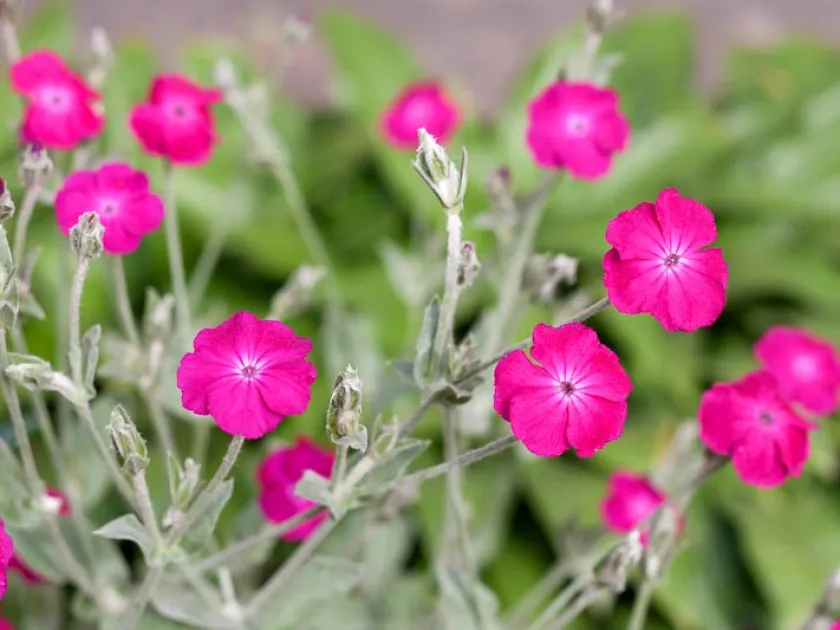
As a member of the Caryophyllaceae family, Rose campion originates from regions with Mediterranean climates. It is highly valued for its striking silvery-grey, fuzzy foliage and vibrant magenta flowers.
The primary requirement for success is full sun exposure. While the plant can tolerate partial shade, it performs significantly better and stays more compact in direct sunlight.
Soil drainage is the most critical factor for its survival. Rose campion thrives in poor, rocky, or sandy soils where water does not accumulate around the roots.
The plant is exceptionally drought-tolerant once established. Supplemental watering is only necessary during extended heatwaves, as excessive moisture often leads to root rot.
Minimal fertilization is required; in fact, over-fertilizing often leads to floppy stems and reduced longevity. It performs best in soils with neutral to slightly alkaline pH levels.
Main diseases and pests
Rose campion is generally considered a low-maintenance, pest-free plant. Its silver, woolly hair provides a natural barrier against some types of insects.
The main threat to its health is crown rot, typically caused by poorly drained soils or excessive winter humidity. Ensuring the soil is light and airy is the best prevention strategy.
Powdery mildew can occasionally appear on the leaves during periods of high humidity and poor airflow. Pruning back affected leaves or applying a fungicide can help control the infection.
Aphids might feed on the tender flower buds during the peak of spring growth. If infestations occur, a simple stream of water or insecticidal soap is usually sufficient.
Slugs and snails can target young plants during rainy seasons. Maintaining a clean garden bed and using gravel mulch can discourage these pests from approaching the plants.