
Rose of Heaven
Silene coeli-rosa (L.) Godr.
Description
Sowing dates
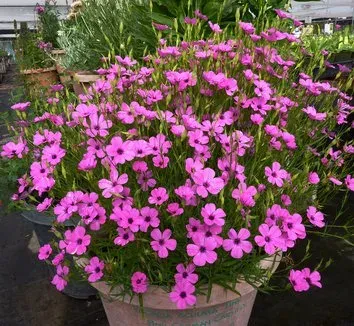
Rose of Heaven (Silene coeli-rosa) is an elegant annual plant belonging to the Caryophyllaceae family. It is a popular choice for borders and rock gardens due to its vibrant colors and delicate, star-like flowers.
The preferred method of propagation is direct sowing into the garden soil during the spring. This should be done once the threat of frost has passed, typically in April or May, to ensure the seeds have optimal conditions for germination.
Seeds should be sown in shallow furrows, ideally at a depth of about 1 cm. Spacing the seeds appropriately is essential, as this plant requires good airflow to flourish and maintain its structural integrity throughout the season.
For those who prefer an earlier bloom, indoor sowing in seed trays is a viable option. Starting the seeds in late March provides the seedlings with enough time to establish a root system before being transplanted outdoors.
Thinning out the seedlings is a critical maintenance task if they are too crowded. Providing each plant with enough space prevents the stems from becoming weak and encourages more prolific branching and flowering.
Growing requirements
Rose of Heaven thrives in full sun exposure. It is a plant that demands high light intensity, which is necessary for the development of its rich, intense floral colors and healthy, sturdy growth habits.
Regarding soil, it performs best in well-draining, sandy-loam environments. Because the plant is sensitive to waterlogged roots, ensuring the soil has excellent drainage is a top priority for any gardener.
Watering should be managed consistently but carefully. While the plant appreciates regular hydration, it is essential to allow the surface soil to dry slightly between waterings to prevent the onset of root-related diseases.
Nutrient requirements are moderate. Applying a balanced liquid fertilizer during the initial growth phase can support vigorous development, although care should be taken to avoid excessive nitrogen, which can lead to lush foliage at the expense of blooms.
Weeding is necessary to eliminate competition for nutrients and water. Maintaining a clean growing area not only enhances the visual appeal of the flower bed but also minimizes the presence of pests and pathogens.
Main diseases and pests
The primary threats to Silene coeli-rosa are fungal infections, such as powdery mildew, which thrive in humid and poorly ventilated conditions. Prevention is key, which includes choosing sunny locations and ensuring adequate spacing.
Root rot is another significant concern when drainage is insufficient. If the soil remains overly damp for long periods, the plant’s health will deteriorate rapidly, leading to wilting and eventual death of the affected specimens.
Common insect pests include aphids, which often congregate on the succulent young shoots. These can be managed with insecticidal soap sprays or by encouraging natural predators in the garden ecosystem.
Slugs and snails can pose a problem in damp springs, especially for younger, tender plants. Protective measures such as creating physical barriers or using non-toxic slug pellets can help protect the young crop.
Regular monitoring of the plants allows for the early detection of any issues. Removing damaged foliage and keeping the garden area clean significantly reduces the risk of pest outbreaks and disease spread.