
Maltese Cross
Silene chalcedonica (L.) E. H. L. Krause
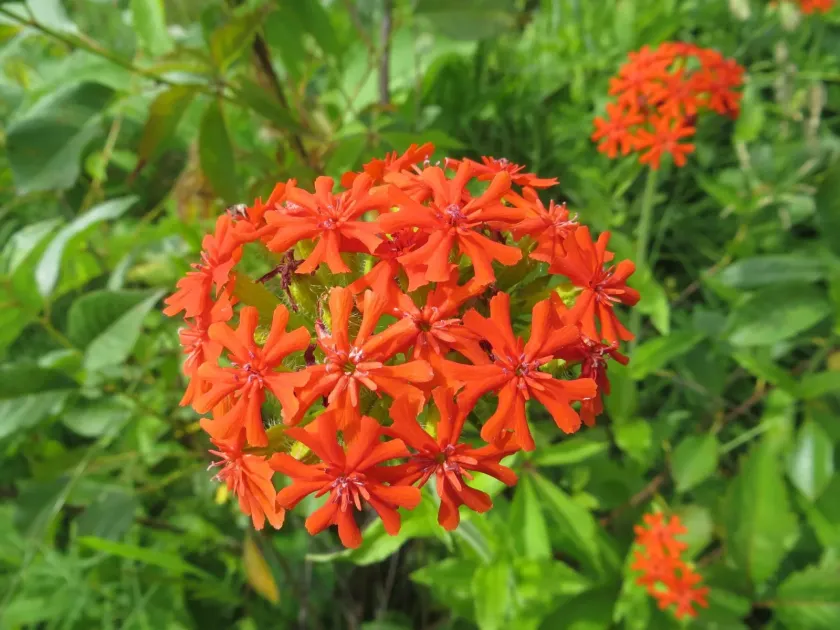
Description
Sowing dates
Seeds of Silene chalcedonica can be sown directly into the garden beds in late autumn or early spring. Autumn sowing is often preferred as it allows the seeds to undergo natural stratification, resulting in better germination rates.
For indoor propagation, seeds should be sown in trays during late winter or early spring. A well-draining soil mix is essential, and seeds should be lightly pressed into the surface rather than buried deeply to ensure they receive sufficient light.
Germination typically occurs within two to three weeks if temperatures are maintained between 18 and 20 degrees Celsius. Keeping the soil consistently moist but not waterlogged is critical during this sensitive stage of plant development.
Once seedlings have developed their first true leaves, they should be pricked out into individual pots. This practice promotes a healthier root system and allows for easier transplanting into the final garden location later in the season.
Transplanting into the garden is best performed in the early summer months. Space the plants about 30–40 centimeters apart to ensure adequate airflow and prevent the development of common fungal diseases that thrive in cramped conditions.
Growing requirements
The Maltese Cross belongs to the Caryophyllaceae family and is a robust perennial herb known for its striking, scarlet-red flower heads. It adds significant visual interest to flower borders and is a favorite among gardeners.
This plant thrives in full sun, where it produces the most vivid blooms. While it can tolerate partial shade, too little light may cause the stems to become leggy, potentially requiring staking to prevent them from falling over.
Soil requirements include good drainage and moderate fertility. The plant does not perform well in heavy, wet soils that retain water for too long, as this condition can easily lead to root rot during the dormant winter months.
Maintenance is relatively straightforward and includes removing faded flower stalks to encourage secondary blooming. Regular weeding around the base of the plant is also recommended to prevent competition for nutrients and moisture.
As a hardy perennial, the Maltese Cross is well-adapted to varied temperate climates. In late autumn, the plant should be cut back to the ground, which helps maintain plant vigor and prevents the buildup of debris where pests might hide.
Main diseases and pests
Aphids are the most common pests that infest the tips of young shoots. These insects can be managed by using a steady stream of water or applying approved insecticidal soaps if an infestation becomes severe enough to affect growth.
Rust disease may occur, appearing as small, rusty-brown spots on the underside of leaves. It is often a sign of poor air circulation; therefore, pruning nearby dense vegetation can help improve conditions and reduce the likelihood of disease.
Leaf spot infections are another potential threat that spreads quickly in damp conditions. Effective control measures involve removing infected plant material immediately and avoiding overhead watering, which keeps foliage wet for too long.
Root rot is the most serious threat, usually caused by improper soil drainage. To prevent this, ensure that the site has a loose, loamy structure and avoid heavy mulching that might trap excessive moisture around the base of the plant.
Slugs and snails can be problematic for young seedlings. Using physical barriers like crushed shells or environmental-friendly traps can effectively keep these pests away and protect the young plants during their early development phases.