
Silene banksia
Silene banksia (Meerb.) Mabb.
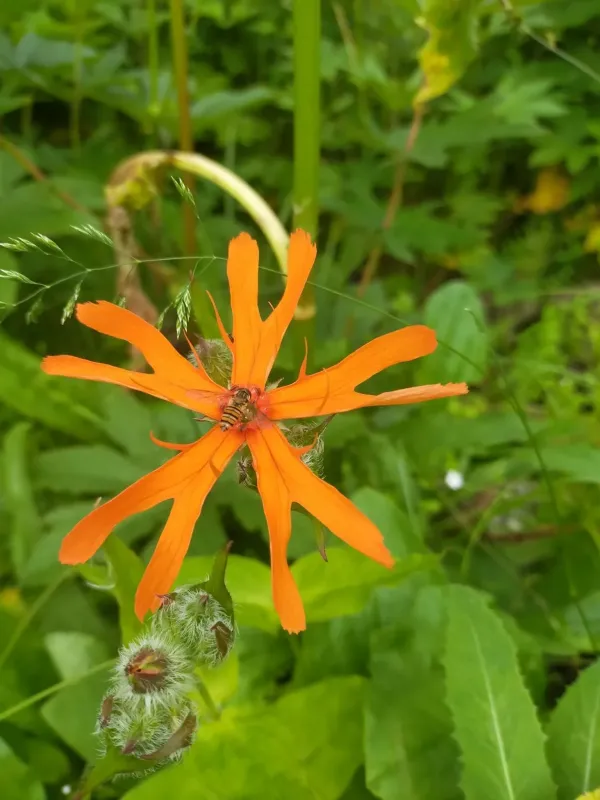
Description
Sowing dates
Silene banksia, a member of the Caryophyllaceae family, is typically propagated through seeds. The sowing process begins in early spring, once the soil has warmed sufficiently, ensuring that the seeds can germinate effectively without the risk of frost damage.
For gardeners looking to accelerate the blooming cycle, starting seeds indoors in late winter is a recommended practice. Using a well-drained substrate in trays allows for stronger seedling development before the final transplantation into the field.
Direct outdoor sowing requires surface-level placement of the seeds, as they are minute and need light to trigger the germination process. Lightly covering them with a thin layer of fine soil or vermiculite helps maintain the necessary moisture levels.
Optimal spacing between individual plants should be maintained at roughly 25 to 30 centimeters. This distance is crucial for proper airflow and prevents the overcrowding that often leads to humidity-related diseases within the cluster.
Thinning out the sprouts once they develop their first set of true leaves is essential. This competition management ensures that the remaining plants have adequate access to nutrients and light, promoting robust and healthy growth.
Growing requirements
The cultivation of Silene banksia requires well-drained, fertile soil that is neutral or slightly alkaline in pH. Avoiding sites prone to waterlogging is the most critical factor, as poor drainage is the primary cause of root failure.
Sunlight exposure is essential for the healthy development of this species. It thrives in locations that receive full sun for the majority of the day, which is necessary for producing the abundant floral displays that define the genus.
While the plant is somewhat drought-tolerant once established, regular and measured watering during the growing season is beneficial. It is important to ensure the root zone stays moist but not saturated to prevent rot.
Nutrient supplementation via balanced mineral fertilizers should be conducted during the active growth phase. A dose of potassium and phosphorus before the budding period will significantly enhance the intensity of the flowering.
Routine soil cultivation, such as gentle hoeing, helps to keep the environment aerated. This practice also simplifies weed control, allowing the crop to thrive without competition for essential resources like moisture and minerals.
Main diseases and pests
The most common biological threats to this plant are fungal infections, particularly root rot and leaf spots, which manifest during periods of excessive rainfall or poor air circulation in the garden beds.
Aphids are the most frequent insect pests, attacking the soft growth and flower buds. These insects weaken the plant by extracting sap and can also act as vectors for various viral diseases that stunt growth.
Effective management of these threats involves the use of systemic fungicides and insecticides. Timing the applications to avoid the presence of beneficial pollinators is a key element of responsible and sustainable agronomic practice.
Prevention remains the best strategy for maintaining a healthy patch. Cleaning up plant debris at the end of the season reduces the overwintering potential of pathogens and minimizes the need for chemical intervention in the following year.
Regular inspection of the foliage is recommended to identify early signs of stress or pest infestations. Prompt removal of damaged plant material can often prevent an isolated problem from becoming a larger systemic issue.
Harvesting
Seed harvesting should be performed when the seed pods have fully matured and begun to dry. Because the seeds are tiny, it is important to collect them before the pods naturally split, which would lead to widespread seed loss.
Deadheading, or removing spent blossoms, is a vital maintenance task that extends the beauty of the plants. This prevents the plant from channeling energy into seed production, encouraging it to bloom for a longer duration.
At the end of the growing season, a light pruning of the stems down to the basal rosette is advised. This prepares the plant for winter dormancy and ensures a clean start for the new growth in the following spring.
The dried stems can be utilized in floral arrangements, as they maintain their structure and aesthetic appeal. Drying them in a shaded, well-ventilated area ensures that they retain their quality for decorative use.
Proper seed storage involves using paper envelopes kept in a cool, dry, and dark environment. This practice preserves the viability and germination rate of the seeds for future planting cycles, ensuring consistent crop success.