
Catchfly
Silene asterias x Silene noctiflora
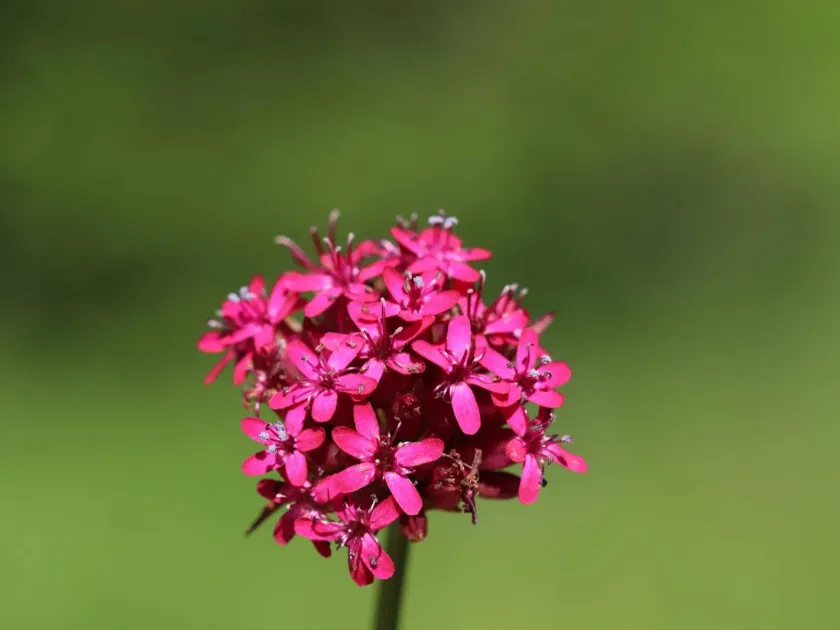
Description
Sowing dates
The Catchfly (Silene) belongs to the large Caryophyllaceae family. While many species in this genus are recognized in agronomy as wild flora or weeds, selected varieties are cultivated for their ornamental value, ecological benefits, and nectar production.
The optimal sowing time for the catchfly is early spring, once the danger of hard frosts has passed and the soil has reached a stable temperature of at least 10 degrees Celsius. Early seeding ensures vigorous establishment before the onset of summer heat.
Seeds are small and should be sown at a shallow depth of approximately 0.5 to 1 centimeter. Proper soil preparation, including fine crumbling and leveling, is essential for uniform germination and plant density.
For field cultivation, row spacing should be maintained between 25 and 30 centimeters. This arrangement provides sufficient space for the root system to expand and facilitates effective mechanical weeding between rows.
It is advisable to lightly firm the soil after sowing to ensure moisture transfer to the seeds. Germination typically occurs within two weeks under favorable moisture and temperature conditions.
Growing requirements
Catchfly plants thrive in full sun exposure. While they can tolerate partial shade, maximum flowering and structural integrity are achieved in open, sunny locations where they can receive at least 6-8 hours of direct light daily.
The crop prefers well-drained, fertile soil with a neutral to slightly alkaline reaction. It is highly sensitive to waterlogging, as standing water in the root zone quickly leads to decay and poor plant performance.
Although the catchfly is relatively drought-tolerant once established, supplemental irrigation is beneficial during prolonged dry spells, especially during the stage of bud formation and flowering.
Nutrient management should focus on balanced fertilizers. Excessive nitrogen application should be avoided, as it promotes lush vegetative growth at the expense of flower production and may lead to plant lodging.
Soil aeration is a critical requirement. Regular hoeing or cultivation of the top layer of soil improves oxygen exchange and prevents the formation of a surface crust, which is essential for healthy plant development.
Main diseases and pests
The primary phytosanitary risks include fungal diseases such as powdery mildew and various leaf spots. These pathogens are most prevalent in areas with high relative humidity and poor air circulation within the plant canopy.
Integrated pest management strategies should be applied to control aphids, which are common pests of the Caryophyllaceae family. Monitoring in early summer is crucial to detect early infestation and initiate control measures.
Caterpillars and larvae of certain moths can cause significant damage by feeding on foliage and flowers. In commercial settings, the use of targeted biological or chemical insecticides is often necessary to protect yield.
Root-knot nematodes can pose a hidden threat, leading to stunted growth. Crop rotation is the most effective preventative measure; it is recommended to avoid planting species of the same family on the same plot for several years.
Sanitation practices, such as removing debris and dead foliage after the growing season, significantly reduce the wintering sites for pathogens and insect pests, contributing to a healthier environment for the next cycle.