
Starry catchfly
Silene asterias Griseb.
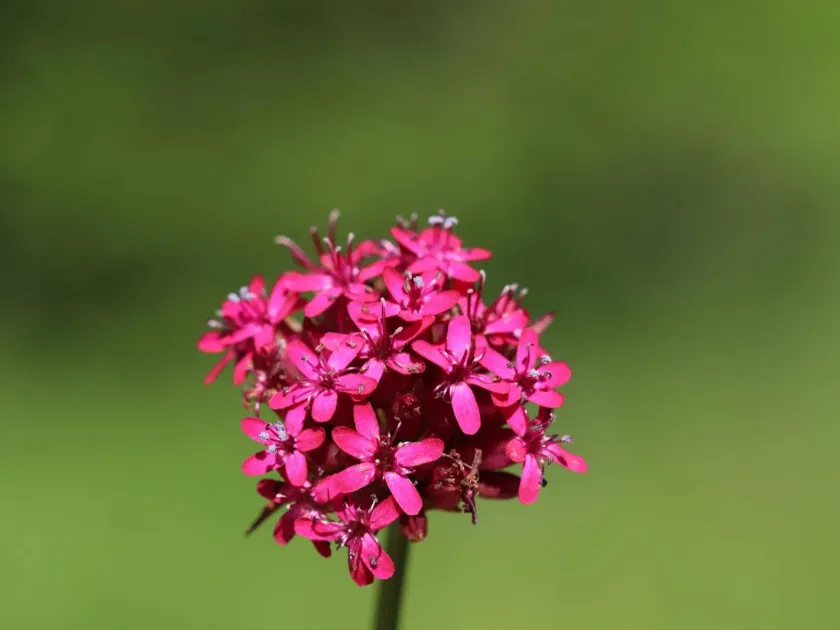
Description
Sowing dates
Silene asterias is a perennial herbaceous plant belonging to the Caryophyllaceae family. Propagation is primarily achieved through seeds, which should be sown in the spring once the ground has warmed sufficiently to ensure consistent germination.
When starting seeds indoors, sowing should begin in early spring using a well-draining soil mix. The seeds require light for germination, so they must be pressed lightly onto the surface rather than buried deep, and kept under warm conditions.
Seedlings should be moved to individual pots once they develop their first set of true leaves. This step is crucial for building a strong root system, which helps the plants establish themselves more effectively after being transplanted into the open field.
Outplanting takes place in late spring, once the risk of late frosts has passed. Spacing is essential for this species to ensure adequate airflow, which prevents moisture buildup around the foliage and reduces the risk of fungal infections.
Vegetative propagation is also possible through division of the root clump in early spring. This method is often preferred for maintaining the specific characteristics of mature plants and ensuring faster growth compared to starting from seed.
Growing requirements
Originating from the Balkan region, this species thrives in temperate climates. It prefers sunny locations with full exposure to light, which is necessary for the development of its distinctive starry flower heads and overall structural integrity.
The plant performs best in light, sandy, or loamy soils that possess excellent drainage characteristics. It is highly sensitive to waterlogged conditions, which can lead to root rot; therefore, soil aeration is a critical component of its agronomic management.
Watering requirements are moderate. During periods of drought, supplemental watering is necessary to maintain plant health, but it should be done carefully to avoid saturating the soil and creating a breeding ground for pathogens.
Fertilization should be handled with a balanced NPK fertilizer applied during the early growth stage. Avoiding excessive nitrogen is important, as it encourages leggy growth that can weaken the plant's ability to remain upright during windy weather.
Maintenance tasks include the removal of spent flower stalks to prevent self-seeding (if desired) and to encourage a cleaner aesthetic. Proper winter preparation, such as light mulching, can help protect the roots in regions with harsher winter conditions.
Main diseases and pests
Fungal diseases like powdery mildew are the most common threats to this species, particularly when planted in areas with poor ventilation. Regular monitoring for white spots on the leaves is necessary for early intervention.
Root rot caused by poor soil drainage remains a major concern for growers. Ensuring the planting site is elevated or amending heavy clay soils with organic material and sand is the best preventative measure against this silent threat.
Aphids are the primary insect pests affecting Silene asterias. These pests target the new growth and flower buds, weakening the plant. Using organic insecticidal soaps is usually effective in controlling these populations without harming beneficial pollinators.
Slugs and snails can cause significant damage to the lower foliage of the plants, particularly during damp weather. Protective barriers such as crushed eggshells or copper tape can be effective at creating a deterrent zone around the base of the plant.
Good cultural practices, such as removing debris from the garden bed at the end of the season, significantly reduce the overwintering capacity of pests and fungal spores, promoting a healthier environment for the next growing cycle.