
Uhde's ash
Fraxinus uhdei (Wenz.) Lingelsh.
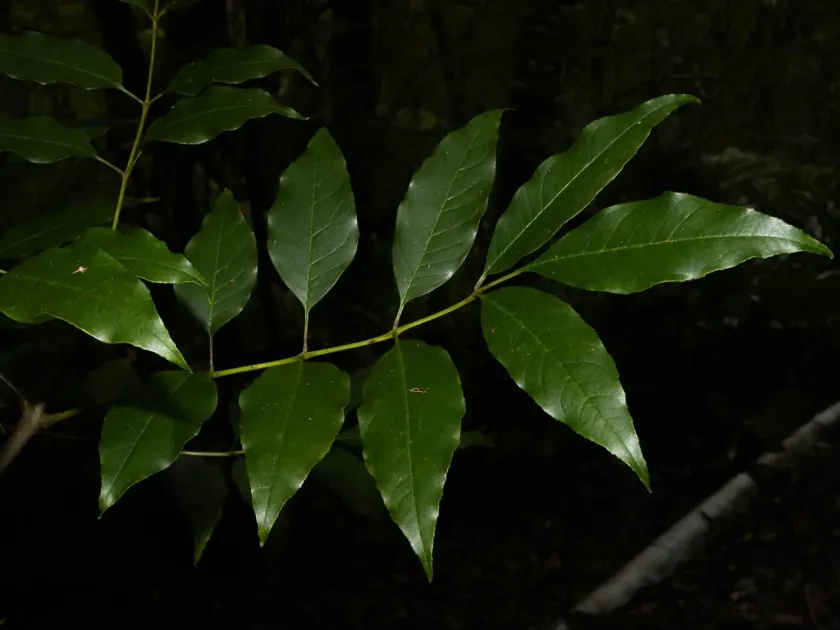
Description
Growing requirements
Uhde's ash (Fraxinus uhdei) is a notable species within the Oleaceae family, native to the mountainous cloud forests of Mexico and Central America. It is recognized for its rapid growth rate and ability to provide significant canopy cover, making it a staple in regional urban forestry.
The culture thrives in deep, fertile, and well-drained soils. Agricultural success with this species depends on maintaining a neutral to slightly acidic soil profile and avoiding waterlogged conditions, which can lead to root system degradation and poor physiological development.
Climate requirements for Uhde's ash include moderate temperatures typical of highland tropical environments. It is sensitive to severe frost, necessitating careful site selection to ensure long-term vitality and protection from extreme weather events that could jeopardize the tree structure.
Agronomic management involves standard practices such as mulching to preserve soil moisture and routine monitoring for nutritional deficiencies. As a sun-loving species, it requires adequate spacing to ensure full sunlight exposure and to prevent the development of spindly or weak trunks.
In economic and landscaping contexts, Fraxinus uhdei is utilized for its high-quality timber and aesthetic value. Its fast growth makes it an excellent choice for reforestation efforts and urban greening projects, providing a robust solution for large-scale environmental improvements.
Main diseases and pests
The primary threats to Uhde's ash include various fungal pathogens that flourish in high-humidity environments. Leaf spot diseases are particularly common, capable of causing premature defoliation if not managed through proper canopy aeration and, if necessary, strategic fungicide application.
Insect pests such as leaf miners and scale insects pose risks to the tree's overall vigor. Regular monitoring programs are essential to detect infestations early, as significant damage to the foliage can severely hamper the photosynthetic capacity of younger trees.
Soil compaction is a significant factor in plant stress, often leading to susceptibility to root rot. Maintaining proper soil porosity through organic amendments is vital to protect the delicate root system from anaerobic conditions that favor opportunistic fungal growth.
Secondary infections often follow physical trauma to the trunk or branches. Proper pruning techniques, which ensure clean cuts that heal quickly, are necessary to prevent entry points for harmful pathogens and wood-boring insects.
Integrated pest management remains the most effective strategy for preserving tree health. By combining biological control, careful site selection, and nutrient management, producers can mitigate the impact of endemic diseases and maintain the productive capacity of the stand.