
Syrian narrow-leaved ash
Fraxinus angustifolia Vahl subsp. syriaca (Boiss.) Yalt.
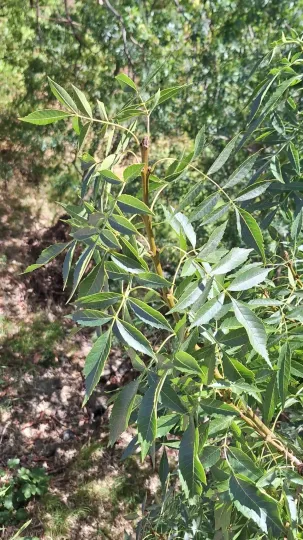
Description
Growing requirements
The Syrian narrow-leaved ash (Fraxinus angustifolia subsp. syriaca) belongs to the Oleaceae family. It is a deciduous tree species native to arid and semi-arid regions, known for its resilience to harsh environmental conditions.
The species thrives in deep, fertile soils but displays significant tolerance for various soil types, including saline and alkaline substrates. Good drainage is essential to prevent root rot in younger specimens while ensuring stable growth rates.
This ash subspecies is highly adapted to hot, dry climates with high light requirements. While mature trees possess a notable level of drought tolerance, consistent moisture during the establishment phase is vital for successful cultivation.
Standard agronomic practices for this species include mulching and regular weed control around the base of the tree. Providing adequate spacing in plantation schemes ensures optimal air circulation and light penetration for the canopy development.
The wood of the narrow-leaved ash is highly valued for its flexibility, toughness, and aesthetic qualities. It is widely used in specialized forestry, urban landscaping, and for creating windbreak structures in arid agricultural landscapes.
Main diseases and pests
The most devastating threat to all Fraxinus species is the emerald ash borer (Agrilus planipennis), an invasive insect that bores into the wood. Strict quarantine and regular inspections are necessary to protect new plantations from infestation.
Fungal pathogens such as bark necrosis and various stem cankers are prevalent in stressed environments. Maintaining tree vigor through proper irrigation and limiting physical damage to the trunk helps prevent the entry of these pathogens.
Defoliating insects, including ash sawflies and various beetles, can significantly reduce the photosynthetic capacity of the tree during peak growing seasons. Integrated pest management strategies should be implemented to control outbreaks.
Powdery mildew may occur in nurseries or high-density plantings when moisture levels are high and airflow is restricted. Improving ventilation and using selective fungicides can effectively mitigate the impact of this disease.
Long-term protection depends on maintaining a diverse and healthy forest ecosystem. Monitoring the tree canopy for signs of thinning or dieback allows for early intervention before pests or diseases become uncontrollable.