
Manchurian ash
Fraxinus mandshurica Rupr.
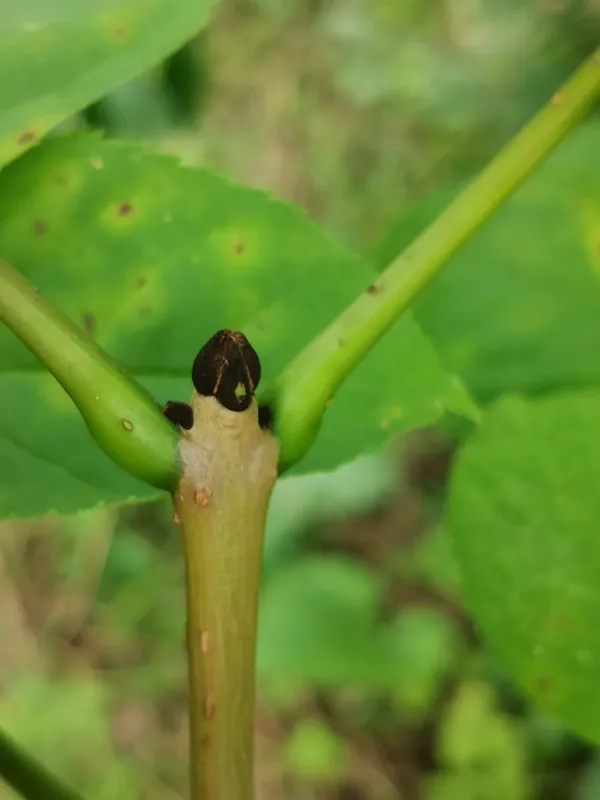
Description
Sowing dates
Manchurian ash is propagated primarily by seeds, which require stratification to break dormancy. This process typically involves storing seeds in a moist, cool environment for several months before planting.
Seeds should be sown in prepared nursery beds during the autumn or early spring. A sowing depth of about 2–3 cm is ideal to ensure proper emergence while protecting the seeds from drying out.
Young seedlings are sensitive to direct sunlight and competition from weeds. Providing partial shade and regular weeding during the first season significantly improves survival rates and early growth vigor.
Transplanting seedlings into a secondary nursery bed after one year allows for the development of a more robust root system. This practice is essential for producing high-quality nursery stock for reforestation.
Nitrogen fertilization in the spring can boost vegetative growth for young ash trees, though care must be taken not to induce excessive succulent growth that could be susceptible to early autumn frost.
Growing requirements
The Manchurian ash, a member of the Oleaceae family, is a stately deciduous tree known for its impressive height and broad, rounded crown. It is native to the temperate forests of East Asia.
This species thrives in deep, fertile, and moist soils. It is particularly well-adapted to river valleys and riparian zones where soil moisture remains consistent throughout the growing season.
It prefers a temperate climate with reliable precipitation. While the tree is winter-hardy, it can be sensitive to late spring frosts that may damage sensitive emerging buds and young leaf tissue.
Manchurian ash is a sun-loving species that requires full light to achieve its maximum growth potential. While it can tolerate some shade as a sapling, its development is hindered under a dense forest canopy.
Proper spacing is crucial when establishing plantations to ensure that each tree has sufficient access to light and nutrients, ultimately leading to higher volumes of quality wood production.
Yield
The primary economic value of the Manchurian ash lies in its high-quality timber. The wood is prized for being strong, durable, flexible, and featuring a highly attractive grain pattern.
In managed forestry, trees typically reach harvestable size within 60 to 80 years. Proper forest management practices, including thinning, can optimize the growth rates of individual trees.
Manchurian ash timber is a staple in the furniture industry and is frequently used for high-end cabinetry, flooring, and interior finishings. Its versatility and strength make it a premium forest product.
The tree also serves as a significant nectar source for pollinators during the early spring, adding secondary ecological and agricultural value to mixed-species forest stands.
Ongoing silvicultural research focuses on identifying fast-growing genotypes to improve the overall yield per hectare, ensuring the long-term sustainability of ash plantations.
Main diseases and pests
Fungal diseases, such as the ash dieback caused by Hymenoscyphus fraxineus, pose a severe threat to ash populations. These pathogens cause leaf loss, branch dieback, and eventual tree mortality.
Insect pests, including various species of borers and leaf-eating beetles, can cause significant structural damage to the trees, reducing both the aesthetic and commercial value of the wood.
Sanitary management is the most effective approach to pest control. Removing and destroying infested wood helps contain the spread of diseases and prevents population explosions of harmful insects.
Environmental stress, such as air pollution or long-term drought, can weaken the tree's natural defense systems, making it more susceptible to secondary attacks by opportunistic pests.
Integrated pest management strategies, including the promotion of biodiversity in surrounding areas, are encouraged to keep natural predator populations healthy and capable of controlling pest outbreaks.