
Black ash
Fraxinus nigra Marshall
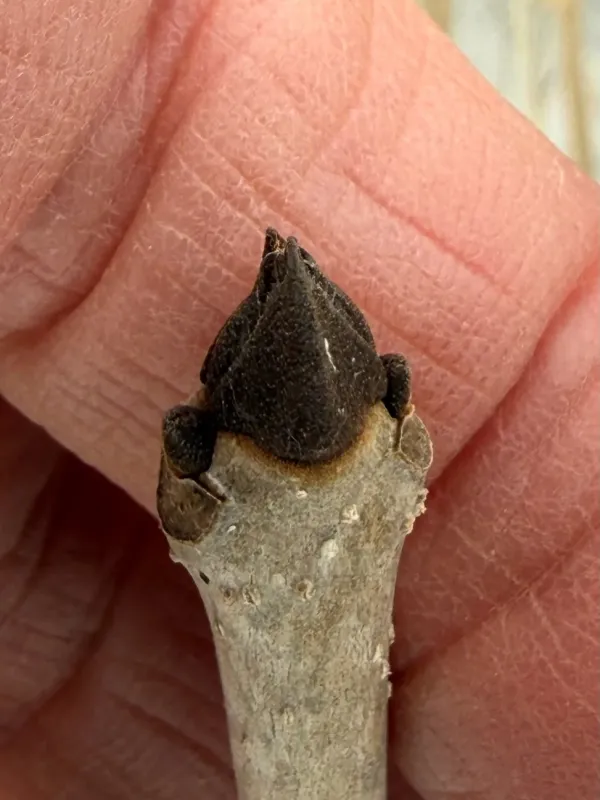
Description
Growing requirements
Black ash (Fraxinus nigra) is a deciduous tree belonging to the Oleaceae family. Native to eastern North America, this species is uniquely adapted to swampy, organic-rich soils and floodplains.
The tree thrives in cool, moist climates and is highly tolerant of cold temperatures. Its root system is specialized for anaerobic conditions, allowing it to survive in soils where other species would suffer from root rot.
While typically found in wetlands, the species requires consistent moisture levels to maintain health. Proper site selection is crucial; poorly drained upland sites are generally unsuitable for optimal growth.
The wood of the black ash is highly flexible and durable, historically prized for making baskets by indigenous cultures and currently used for high-quality furniture, tool handles, and cabinetry.
In silvicultural practices, managing black ash involves maintaining the hydrological integrity of the site. Excessive drainage or disruption of natural water flow can lead to the decline of the stand.
Main diseases and pests
The Emerald Ash Borer (Agrilus planipennis) is the most devastating threat to black ash populations across its entire range. This invasive beetle has caused massive mortality in North American forests.
Ash yellows, a disease caused by phytoplasmas, is another significant concern. It leads to progressive crown dieback, reduced growth rates, and eventually the death of the affected trees.
Fungal pathogens such as Mycosphaerella fraxini can cause leaf spot infections, which typically occur in seasons with high humidity and limited air circulation within the canopy.
Integrated pest management strategies for this species involve monitoring for beetle emergence and applying systemic insecticides in high-value specimen trees or protected areas.
Conserving genetic diversity is currently a major focus for forestry researchers, who are seeking to identify individual trees that exhibit natural resistance to the emerald ash borer infestation.