
European ash
Fraxinus excelsior L.
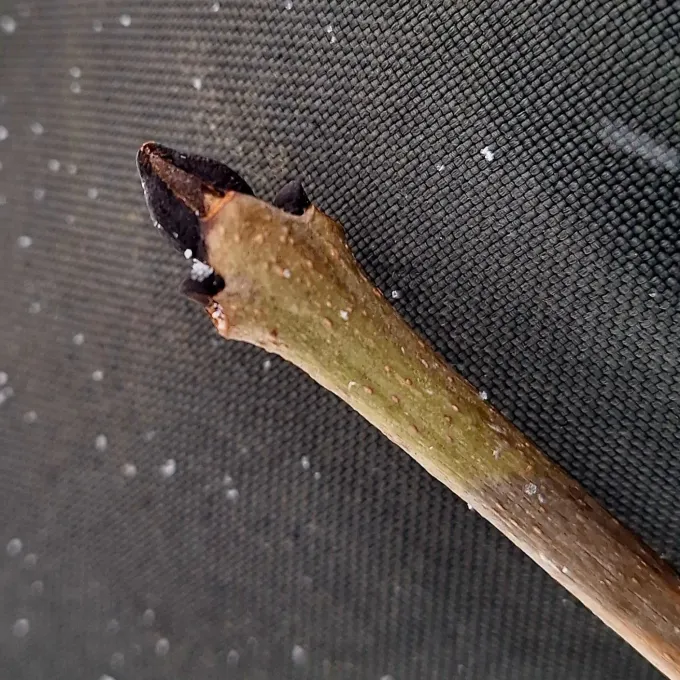
Description
Sowing dates
European ash belongs to the Oleaceae family and is typically propagated by seeds, which require a complex stratification process to overcome internal dormancy.
In silviculture, seeds are sown in nurseries during the autumn, allowing them to undergo natural stratification under soil conditions during the winter months.
The sowing depth is usually kept between 3 and 5 centimeters, depending on the soil texture, ensuring that seeds are well-covered yet able to germinate in spring.
Germination can be erratic; in some cases, if stratification is insufficient, seedlings may not appear until the second growing season after sowing.
Young plants require consistent maintenance, primarily the removal of competing vegetation, as they are susceptible to being shaded out by faster-growing weeds during their initial establishment phase.
Growing requirements
The European ash is a demanding species that thrives in fertile, moist, and well-drained soils, ideally with a neutral to slightly alkaline pH level.
It is a light-demanding tree, meaning it requires sufficient exposure to sunlight to develop a straight and strong trunk, making it suitable for open areas or mixed forest stands.
Waterlogged and stagnant soil conditions are detrimental to the species, as they inhibit root development and make the tree more vulnerable to fungal diseases.
The tree prefers a temperate climate and, while hardy, is susceptible to late spring frosts which can damage the tender buds and young shoots.
In land management, ash is frequently planted for its aesthetic value and as a component of windbreaks, provided the site soil moisture remains stable.
Yield
The economic value of Fraxinus excelsior lies in its high-quality timber, which is renowned for its strength, toughness, and shock resistance, making it ideal for sports equipment and furniture.
Forestry yields are determined by the harvest age, which typically ranges between 60 to 80 years depending on the intended use of the logs and management goals.
When grown in optimal sites, the ash shows a vigorous growth rate, resulting in substantial biomass accumulation and high-value timber production.
Beyond timber, the tree has historical uses in traditional medicine, where its leaves and seeds are processed for various therapeutic properties.
Modern selective breeding focuses on identifying clones that grow faster and demonstrate better tolerance to current environmental stressors and pathogens.
Main diseases and pests
The primary concern in ash management today is ash dieback, caused by the fungus Hymenoscyphus fraxineus, which causes crown decline and limb death.
The emerald ash borer is a destructive invasive beetle that feeds on the inner bark, effectively cutting off the tree's nutrient supply and causing widespread mortality.
Effective management requires strict sanitation measures, such as removing infected trees and limiting the movement of wood to prevent the spread of pests.
- Ash dieback (Hymenoscyphus fraxineus)
- Emerald ash borer (Agrilus planipennis)
- Ash bud moth
- Fungal cankers
- Late frost damage
Ongoing research into resistant varieties is the most promising path forward to sustain ash populations in both commercial forests and natural landscapes.