
White ash
Fraxinus americana L.
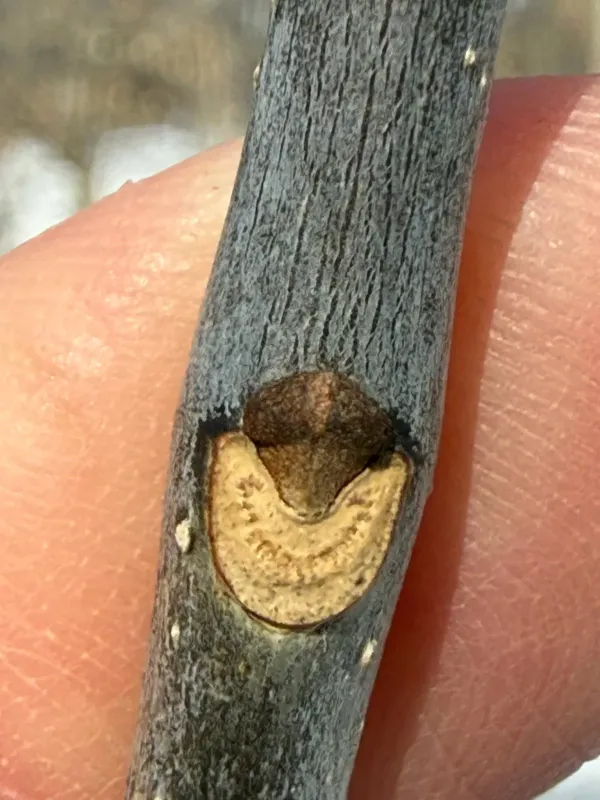
Description
Sowing dates
White ash (Fraxinus americana) is propagated primarily through seeds. Sowing is typically carried out in the autumn, allowing the seeds to undergo natural stratification, which is essential for uniform germination.
In nursery settings, spring sowing requires artificial cold stratification for 3-4 months at low positive temperatures. The optimal planting depth is 2 to 4 centimeters, depending on the soil structure and texture.
For establishing forest stands, two-year-old seedlings with well-developed root systems are preferred. Planting is usually done in early spring before sap flow begins or in the late autumn after leaf fall.
Spacing between trees is maintained at 2 to 3 meters to provide sufficient growth area. In the early years, weed control in the immediate vicinity of the root zone is crucial for the survival of the saplings.
As a member of the Oleaceae family, the white ash is valued for its rapid growth rate during the juvenile phase, which facilitates the establishment of forest plantations.
Growing requirements
White ash thrives in deep, fertile, and well-moistened soils with a neutral or slightly acidic pH. It performs poorly in waterlogged environments or dry, sandy soils, where growth rates drop significantly.
In its native North American range, the species is found in deciduous forests with moderate humidity. The tree exhibits high frost resistance, making it suitable for regions with severe winter conditions.
The species requires good light exposure for optimal development, although younger specimens can tolerate light shading. In high-density plantations, white ash tends to grow straight, which is beneficial for producing high-quality timber.
Agro-technical practices involve incorporating organic fertilizer into planting holes and ensuring adequate moisture levels. During prolonged droughts, young trees require supplemental irrigation due to their relatively shallow root systems.
The tree is sensitive to air pollution and industrial emissions; therefore, it is not recommended for planting in urban areas with heavy traffic or near large industrial sites.
Yield
Economic use of white ash is primarily focused on producing high-quality timber, which is known for its durability, toughness, and resistance to impact loads.
White ash wood is widely utilized in the manufacturing of furniture, sporting equipment, tool handles, and as a structural and decorative material in construction.
The production cycle for white ash timber typically ranges from 40 to 60 years. Managed forest operations use thinning cuts to promote the growth of high-potential individual trees.
Beyond industrial timber production, the white ash is appreciated in landscape design as a decorative tree for parks and avenues due to its shapely canopy and vibrant autumn foliage.
The profitability of cultivation depends on soil fertility and the strict adherence to forestry management protocols, which directly impact the yield and marketability of the wood.
Main diseases and pests
One of the most severe threats to the species is the emerald ash borer (EAB), an invasive pest capable of devastating entire ash plantations within a few years.
Common diseases include various fungal infections causing branch and trunk necrosis, which significantly degrades wood quality and leads to premature tree decline.
- Emerald ash borer (EAB).
- Ash aphid.
- Fungal diseases of bark and leaves.
- Wood-boring beetles.
Prevention strategies include timely sanitary felling of infested trees and the use of insecticidal treatments in nurseries to protect young saplings.
Ongoing monitoring of forest health is a mandatory component of the management cycle, as early detection of infestation sites allows for the containment of pest populations.