
Hybrid Black Ash
Fraxinus nigra Marsh x Fraxinus mandshurica Rupr
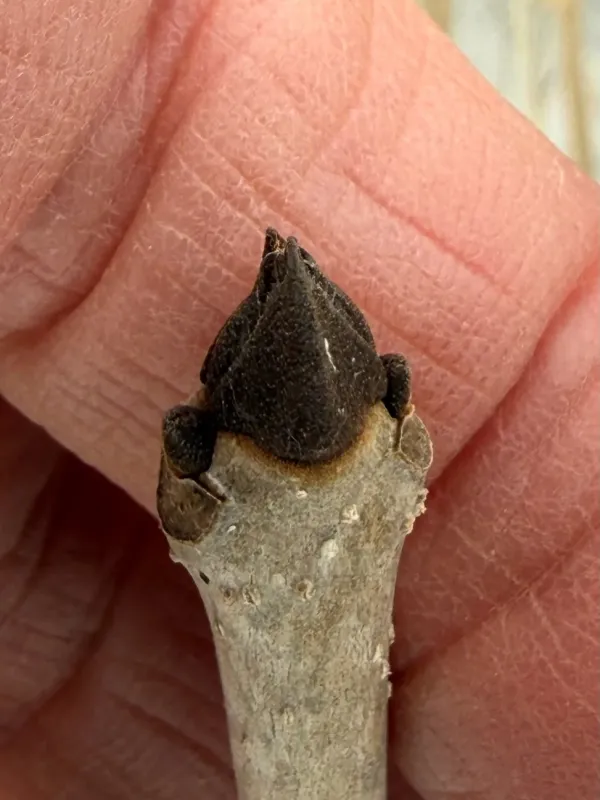
Description
Growing requirements
Hybrid Black Ash (Fraxinus nigra x Fraxinus mandshurica) is a deliberate cross between the North American black ash and the Manchurian ash, belonging to the Oleaceae family. This hybridization aims to combine the wetland tolerance of the black ash with the cold hardiness and growth vigor of the Manchurian species.
The tree thrives in moist to wet soil conditions, often found in riparian zones or heavy clay soils. It shows a unique capacity to endure seasonal flooding, which makes it an excellent choice for sites where other deciduous species would struggle with oxygen deficiency in the root zone.
Climate adaptability is a primary strength of this hybrid, as it can withstand harsh winters and variable summer temperatures. It requires full sunlight to achieve optimal growth rates, though young saplings benefit from some shelter during their initial establishment years.
Cultural practices include ensuring sufficient mulch cover to retain soil moisture and providing balanced NPK fertilizers during the spring growth flush. Proper spacing is critical to maintain airflow and reduce microclimatic humidity that favors fungal pathogens.
In terms of land use, the Hybrid Black Ash is utilized in reforestation projects, wetland restoration, and urban arboriculture. Its wood quality is highly regarded for its flexibility, making it a sustainable resource for high-end carpentry and tool handles.
Main diseases and pests
The Emerald Ash Borer (EAB) remains the most critical threat to all ash species, including this hybrid. This invasive beetle creates galleries beneath the bark that disrupt nutrient transport, leading to the rapid decline and death of the host tree.
Fungal dieback, specifically caused by Hymenoscyphus fraxineus, poses a major risk. This pathogen manifests as necrosis on twigs and branches, eventually compromising the entire crown structure of the tree.
Integrated pest management (IPM) strategies are essential for maintaining healthy stands. This includes the use of biological control agents where appropriate and systemic trunk injections of insecticides in high-value specimen trees.
Regular monitoring through visual inspections for exit holes and branch wilting is necessary for early detection. Prompt removal of infested material is required to prevent the buildup of pest populations within the plantation.
- Monitor for crown dieback.
- Install pheromone traps for EAB detection.
- Ensure tree vigor through proper site selection.
- Implement strict nursery hygiene standards.