
Oregon ash
Fraxinus latifolia Benth.
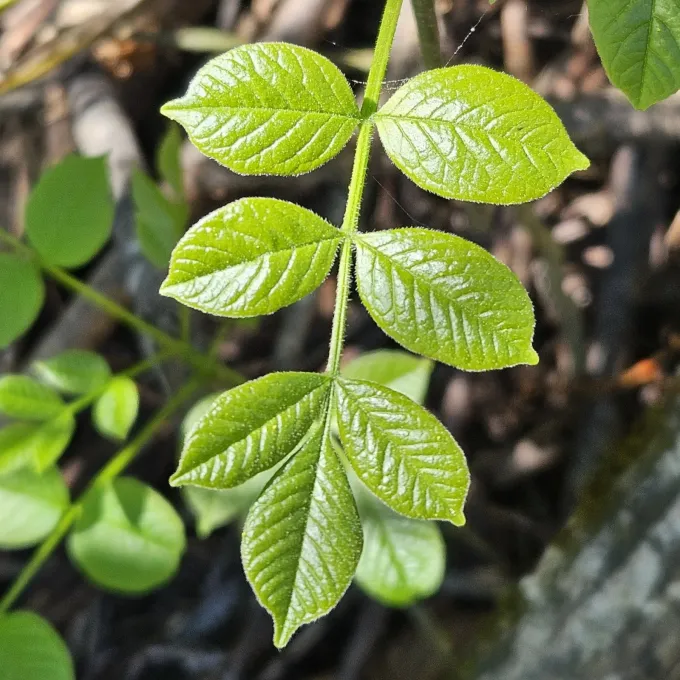
Description
Sowing dates
Oregon ash (Fraxinus latifolia) is a member of the Oleaceae family, native to the western regions of North America, where it typically thrives in moist river valleys.
Propagation is primarily achieved through seeds, which require a period of cold stratification for several months to successfully break seed dormancy.
Nursery cultivation involves sowing seeds in well-drained soil during the autumn months, allowing them to undergo natural stratification during the winter season.
Proper soil depth and moisture management during the spring germination phase are critical to ensure a high percentage of seedling emergence and initial vigor.
Seedlings should be nurtured in controlled nursery environments until they reach sufficient size and root development to withstand transplanting into their permanent location.
Growing requirements
This species is highly adapted to riparian habitats, requiring deep, fertile, and consistently moist soils for optimal physiological function and growth.
Oregon ash thrives in temperate climates characterized by mild, wet winters and cool, moist summers, showing limited tolerance for extreme arid conditions.
The tree exhibits excellent tolerance to occasional flooding, which allows it to colonize sites that are often unsuitable for other commercial timber species.
For successful forest management, it is essential to provide adequate spacing, as overcrowding can lead to suppressed growth and increased susceptibility to stress.
Soil nutrient availability plays a significant role in long-term health; therefore, sites with high organic matter content are preferred for commercial cultivation.
Yield
The primary economic value of Oregon ash lies in its high-quality hardwood, which is prized for its strength, flexibility, and attractive grain patterns.
The lumber is widely utilized in the manufacturing of furniture, tool handles, cabinetry, and various fine woodworking projects, making it a valuable forestry commodity.
Harvest cycles are typically long-term, requiring sustainable forestry practices to maintain the productivity and ecological health of the timber stands.
In addition to timber production, the species provides significant ecosystem services, including bank stabilization and water quality improvement along riparian corridors.
Strategic management of ash stands can yield sustainable annual growth increments, ensuring both environmental stability and consistent output for the lumber market.
Main diseases and pests
Oregon ash is susceptible to several fungal diseases, particularly those that thrive in damp environments and attack the tree's vascular system or bark.
Pest pressures include various defoliators and wood-boring insects, which can weaken the tree, especially in stands already under moisture or nutrient stress.
The emerald ash borer is a significant invasive threat globally that requires constant monitoring and strict phytosanitary regulations to prevent damage to local stands.
Effective management strategies incorporate integrated pest management (IPM) to minimize the impact of pathogens while protecting the surrounding ecosystem.
- Implementation of regular health inspections
- Removal and disposal of infected timber
- Use of resistant stock where available