
Chinese stonecrop
Sedum tetractinum Fröd.
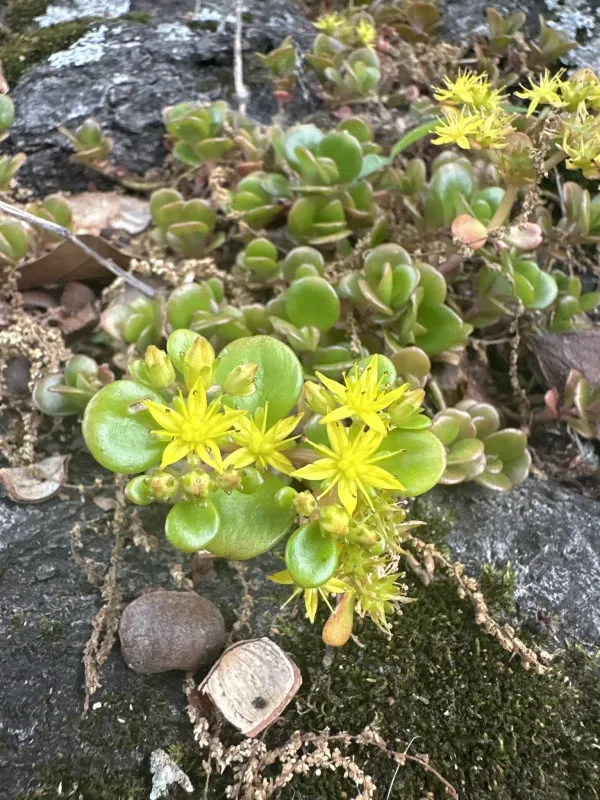
Description
Sowing dates
Chinese stonecrop (Sedum tetractinum) belongs to the Crassulaceae family and is a popular choice for ground cover due to its resilient nature. Propagation of this crop is primarily achieved through vegetative cuttings, which ensures the preservation of specific cultivar traits.
The ideal time for propagation is during the active growth phase, spanning from late spring to early summer. Establishing the crop during this window allows for robust root development before the onset of the colder season, ensuring better winter survival.
When planting, cuttings are inserted into a well-prepared, sandy substrate. The soil should be pressed firmly against the base of the stems to encourage quick rooting, which typically occurs within two weeks under optimal conditions.
Autumn planting is generally avoided as the plant requires time to anchor itself in the soil. Proper site preparation involves eliminating perennial weeds, as the Chinese stonecrop can struggle to compete with aggressive species during its initial establishment period.
For ornamental or mass-planting purposes, a density of 15 to 20 centimeters between plants is recommended. This spacing promotes a rapid, uniform carpet formation, effectively covering the ground while allowing sufficient airflow for the succulents.
Growing requirements
The Chinese stonecrop thrives in full sun exposure, which is vital for maintaining its characteristic compact shape and vibrant leaf color. Plants grown in shaded areas tend to become leggy and lose their aesthetic appeal and vigor.
Regarding soil preferences, the plant requires excellent drainage to thrive. Sandy or gravel-rich soils are ideal, as they prevent waterlogging, which is the primary cause of root rot and overall plant failure in this species.
Water requirements for this succulent are minimal. It is highly drought-tolerant, capable of surviving long periods without rain due to the water-storage capabilities of its succulent leaves. Supplemental irrigation is only necessary during extreme heat or prolonged dry spells.
In terms of temperature, Sedum tetractinum shows good hardiness. However, in regions prone to severe frost without snow cover, applying a layer of mulch or protective material around the root zone helps prevent damage from freezing temperatures.
Fertilization should be handled with caution. A light, slow-release application of a succulent-specific fertilizer once per season is sufficient. Over-fertilization, especially with nitrogen, should be avoided as it compromises the plant's natural hardness and disease resistance.
Main diseases and pests
The most common threats to Sedum tetractinum are fungal pathogens arising from poor soil drainage or high humidity. Symptoms such as stem rot or leaf spotting require immediate intervention, including removing affected tissue and improving soil aeration.
Aphids and mealybugs are the primary pests that affect this crop. They infest the soft tissue of the stems and leaves, extracting nutrients. Using systemic insecticides or insecticidal soaps is effective in managing these infestations while minimizing impact on the plant.
Slugs and snails can pose a problem in damp conditions, often feeding on the succulent foliage. Implementing physical barriers or using mollusks-specific baits can prevent significant foliage loss and maintain the plant's decorative integrity.
Preventative maintenance is the most effective approach to disease control. Ensuring adequate spacing between plants and keeping the area free of decomposing organic matter reduces the likelihood of attracting pests and developing fungal infections.
Regular inspections during the growing season allow for the early detection of issues. By maintaining clean, well-drained planting beds, growers can significantly reduce the risk of crop loss and ensure the long-term health of the succulent carpet.