
White stonecrop
Sedum album L.
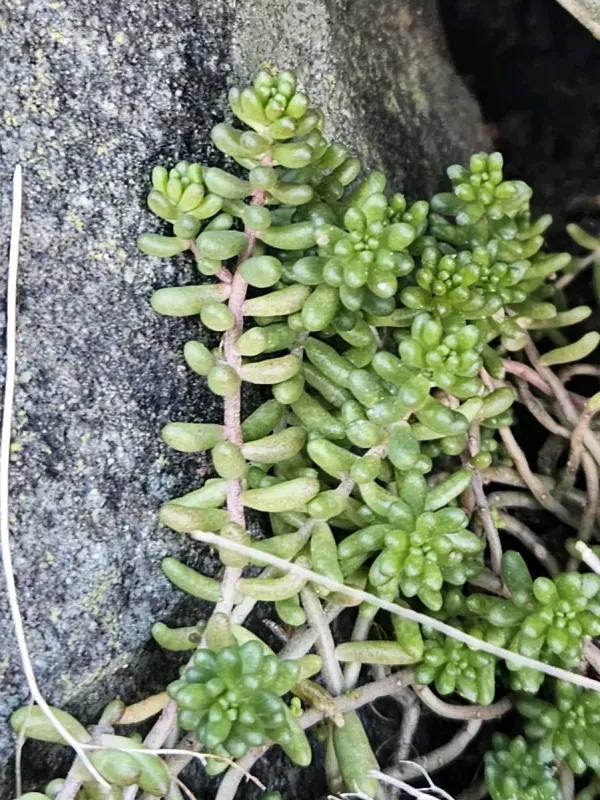
Description
Sowing dates
White stonecrop is easily propagated through cuttings, which is the preferred method for agricultural and landscaping purposes. Segments of the stems can be placed directly onto the soil surface, where they quickly develop roots.
Seed propagation is also possible; however, it requires sowing on top of a well-draining substrate without covering, as the seeds need light for germination. Keep the soil surface moist until the seedlings emerge.
The best time for planting cuttings is during the active growing season, from late spring to late summer. This ensures rapid establishment before the dormant period.
When planting, ensure the cuttings are placed in direct contact with the mineral substrate. Avoid organic-rich heavy soils that may cause the cuttings to rot before rooting occurs.
Spacing for individual plants can vary, but to achieve a quick carpet effect, planting at a density of 10–15 cm apart is recommended for optimal coverage.
Growing requirements
Sedum album is a perennial plant belonging to the Crassulaceae family. It is native to a wide range of habitats across Europe, North Africa, and Western Asia, typically found in rocky, arid environments.
The plant has minimal soil requirements and thrives in poor, sandy, or rocky soils. High drainage is the most critical factor for its successful cultivation, as the plant cannot tolerate waterlogged conditions.
Full sun is necessary for the plant to maintain its compact growth habit and maximize its flowering potential. In shaded conditions, the stems tend to become leggy and less resilient.
As a succulent, it is extremely drought-tolerant. Its fleshy leaves store moisture, allowing the plant to survive prolonged periods without rainfall, making it an excellent choice for low-maintenance areas.
The species is hardy and capable of surviving extreme temperature fluctuations, adapting well to both hot summers and cold winters without special protection.
Yield
In landscaping, the "yield" of white stonecrop is measured by its success as a ground cover. Its ability to rapidly cover large surface areas makes it a highly valuable resource for urban planning.
It is a staple plant for extensive green roof systems, where its low-growth habit and resistance to harsh weather conditions provide effective thermal and moisture insulation for buildings.
The plant acts as an efficient soil stabilizer on slopes, preventing erosion through its dense root system and mat-forming vegetative growth.
Sedum album is also valued for its nectar production, making it a functional component in supporting local pollinator populations within industrial or urban landscapes.
The aesthetic output includes a profusion of small white flowers that cover the mat in early to mid-summer, providing a significant ornamental value.
Main diseases and pests
Root rot is the primary threat to white stonecrop, occurring almost exclusively in conditions with inadequate drainage or prolonged high humidity around the root zone.
Fungal issues such as powdery mildew can occasionally affect plants in humid, stagnant air environments, requiring good ventilation and light management to prevent spread.
Aphids can target the tender, succulent growth during the spring, which may necessitate the use of mild insecticidal soaps or biological controls.
Weed competition is a major challenge during the early stages of establishment. Once the mat is dense, however, it successfully outcompetes most invasive weeds.
Pests like weevils may occasionally feed on leaves; monitoring should be conducted periodically if plant vigor appears to decline in patches.