
Goldmoss stonecrop
Sedum acre L.
Description
Sowing dates
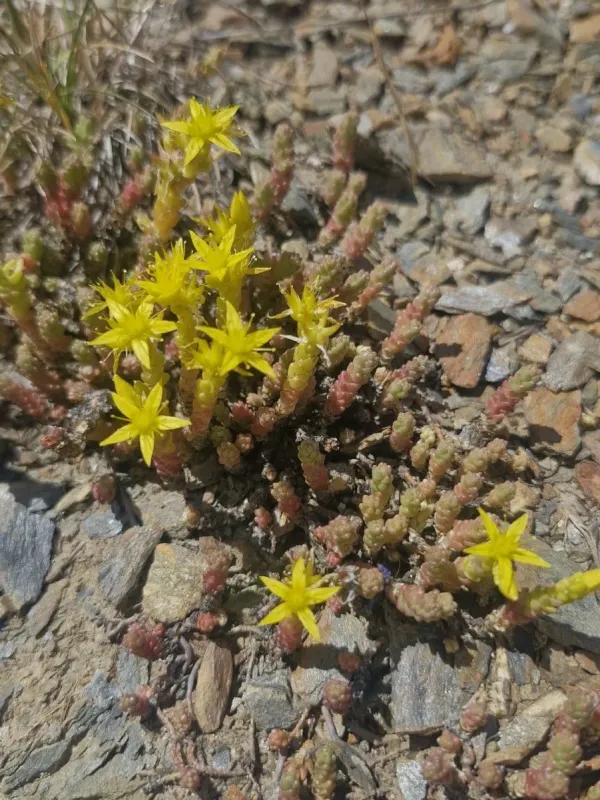
Goldmoss stonecrop (Sedum acre L.) is a perennial succulent belonging to the Crassulaceae family. Propagation by seeds is possible, though the seeds are extremely small and should be sown on the surface of the growing medium without covering.
Vegetative propagation via stem cuttings is the standard commercial practice. These cuttings root very easily when placed on loose, sandy soil, allowing for rapid colonization of the target planting area.
The ideal time for propagation is during the active growth phase in late spring or early summer. This timing ensures the plant is well-established before the dormancy period begins.
When sowing in trays, maintaining a consistent temperature of around 20 degrees Celsius is recommended for optimal germination rates. Seedlings should be hardened off before moving them to permanent outdoor locations.
For establishing a dense mat, cuttings should be spaced evenly. This manual labor is offset by the plant's aggressive horizontal growth habit, which covers gaps effectively within one growing season.
Growing requirements
This species is highly adapted to nutrient-poor, rocky, and sandy soils. The most critical requirement for successful cultivation is excellent drainage, as the plant cannot tolerate waterlogged conditions.
Full sun exposure is mandatory for Goldmoss stonecrop. The plant requires intense light to maintain its characteristic compact form and to stimulate the profuse production of yellow flowers.
As a drought-tolerant succulent, it requires very little irrigation once established. Its ability to store water in its fleshy, scale-like leaves makes it an ideal candidate for xeriscaping.
The plant is exceptionally hardy and can withstand freezing temperatures, making it suitable for a wide range of climates. It thrives in neutral to slightly alkaline pH environments.
In agricultural and landscape settings, minimal maintenance is required. Occasional weeding is necessary during the early stages to prevent more aggressive, taller species from shading the stonecrop.
Main diseases and pests
Goldmoss stonecrop is naturally resistant to most diseases. The most significant threat is root rot caused by poor soil aeration and water accumulation, which occurs during prolonged wet spells.
In terms of pests, slugs and snails are the primary concern, as they feed on the succulent foliage. Their impact is most noticeable during periods of high humidity and rainfall.
Aphids can occasionally infest tender new growth, but these infestations are generally minor and rarely require chemical intervention. Physical inspection is often sufficient for management.
To mitigate the risk of fungal pathogens, it is vital to ensure good airflow between plants. Densely packed areas should be monitored, especially in regions with high humidity levels.
Correct site selection—prioritizing sloped areas or sandy plains—is the best preventative measure against the common threats associated with moisture-loving pathogens.