
Sedum adolphi
Sedum adolphi Raym.-Hamet
Description
Growing requirements
Sedum adolphi is a perennial succulent species belonging to the Crassulaceae family. Native to the mountainous regions of Mexico, this plant has evolved to survive in harsh, rocky environments with limited water availability and high solar radiation.
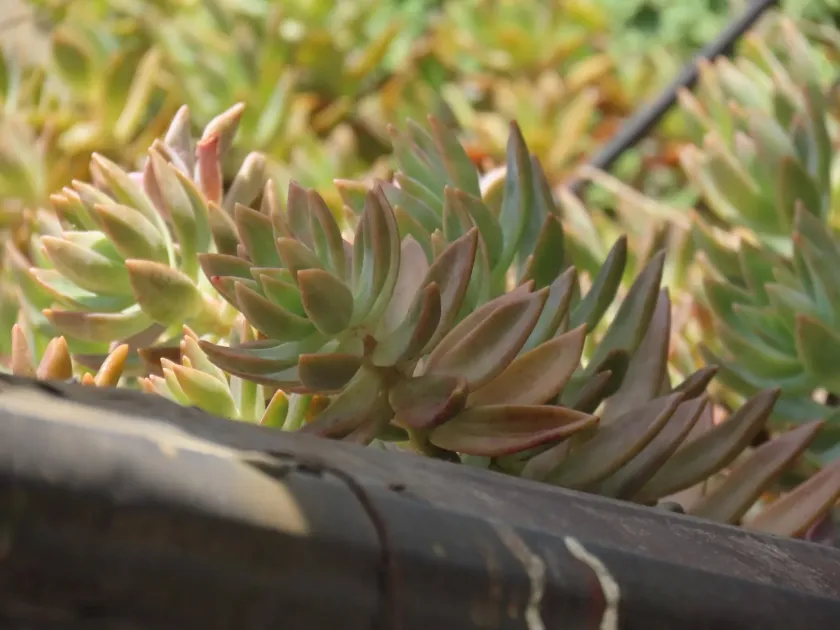
The plant features thick, fleshy leaves arranged in rosettes at the tips of spreading stems. Over time, the stems become woody, and the leaves may transition from bright green to vibrant yellow or bronze, depending on the intensity of exposure to direct sunlight.
From an agrotechnical perspective, successful cultivation depends on using highly porous, well-draining substrates. A mixture of gravel, pumice, and coarse sand with a minimal portion of organic matter is ideal for ensuring proper root aeration.
Temperature requirements involve maintaining a range between 18°C and 26°C for active growth. The species is highly drought-tolerant but requires consistent light levels to prevent leggy growth and maintain the structural integrity of the rosettes.
The primary economic use of Sedum adolphi lies in the ornamental plant industry. It is highly valued for container gardening, xeriscaping in arid climates, and as a popular indoor plant due to its unique coloration and low-maintenance requirements.
Main diseases and pests
Root rot caused by overwatering is the most significant threat to this crop. Excessive soil moisture prevents root respiration and creates a conducive environment for various fungal pathogens that can rapidly destroy the plant's vascular system.
Mealybugs are the most common pests affecting Sedum adolphi. These insects cluster in the leaf axils and on the undersides of the rosettes, extracting sap and causing stunted growth and leaf deformation if not managed properly.
Spider mites may also appear in dry, poorly ventilated conditions, leading to chlorosis and the appearance of fine webs on the plant surface. Regular inspection of the plant canopy is necessary to catch infestations at an early stage.
To prevent diseases, irrigation must be strictly controlled, allowing the substrate to dry out completely between waterings. Promoting good airflow around the plants helps minimize the risk of humidity-related infections.
Chemical control involving systemic insecticides is effective against established pest populations. However, cultural methods such as proper spacing and strict hygiene in cultivation facilities remain the most effective tools for maintaining crop health.