
Sedum suaveolens
Sedum suaveolens Kimnach
Description
Growing requirements
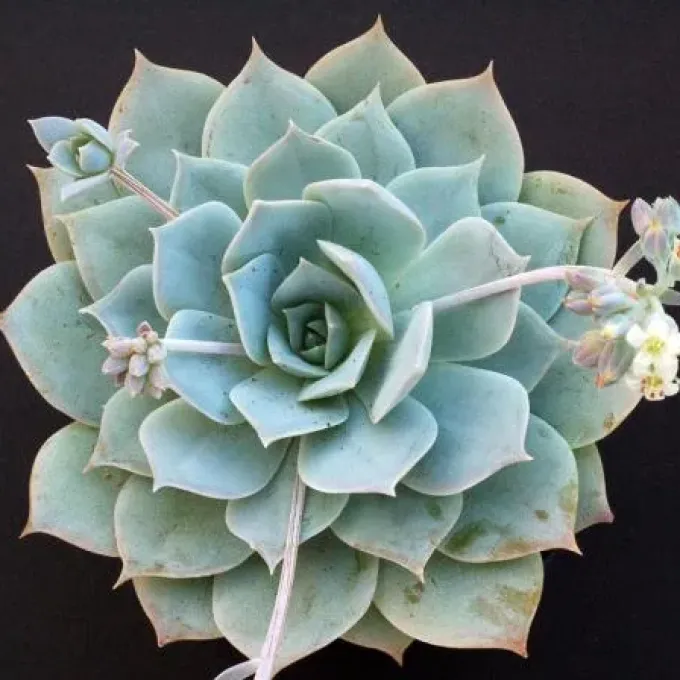
Sedum suaveolens is a perennial succulent species belonging to the Crassulaceae family. It is recognized for its thick, glaucous, fleshy leaves arranged in tight, aesthetic rosettes that can reach a significant diameter over time.
The plant originates from the high-altitude regions of Mexico. This environment has shaped its physiological need for cool, well-ventilated conditions and a substrate that mimics its rocky native habitat.
Successful cultivation requires a gritty, fast-draining substrate. A mix consisting of pumice, coarse sand, and a small amount of organic material is recommended to support robust root health and prevent moisture retention.
High light exposure is essential for maintaining the characteristic rosette shape and the density of the foliage. Without adequate sunlight, the plant will become etiolated, losing both its structural integrity and its ornamental appeal.
Temperature management is crucial during the dormancy phase. Sedum suaveolens thrives when kept in cool, bright conditions during the winter months, which encourages better growth cycles during the subsequent spring and summer seasons.
Main diseases and pests
The primary threat to the health of Sedum suaveolens is root rot, which typically stems from poor drainage or excessive watering. Ensuring the substrate is completely dry before re-watering is the best preventative measure.
Mealybugs are frequent pests that infest the crevices of the succulent rosettes. They can be difficult to eradicate due to their protective coverings and require consistent monitoring and occasional treatment with systemic insecticides.
Root mealybugs also present a challenge as they feed on the underground parts of the plant. If infestation occurs, the plant must be removed from its pot, the roots cleaned, and the entire system repotted in sterile media.
Fungal pathogens may proliferate in environments lacking proper airflow. Improving ventilation within greenhouses or indoor growing spaces is vital for minimizing the risk of fungal spot diseases or crown rot.
Regular inspection of the leaf axils is recommended to catch pest populations early before they cause significant damage. Maintaining strict hygiene around the cultivation area helps in preventing the spread of various plant diseases.