
Sedum mendozae
Sedum mendozae (Glass & Chazaro) V.V. Byalt
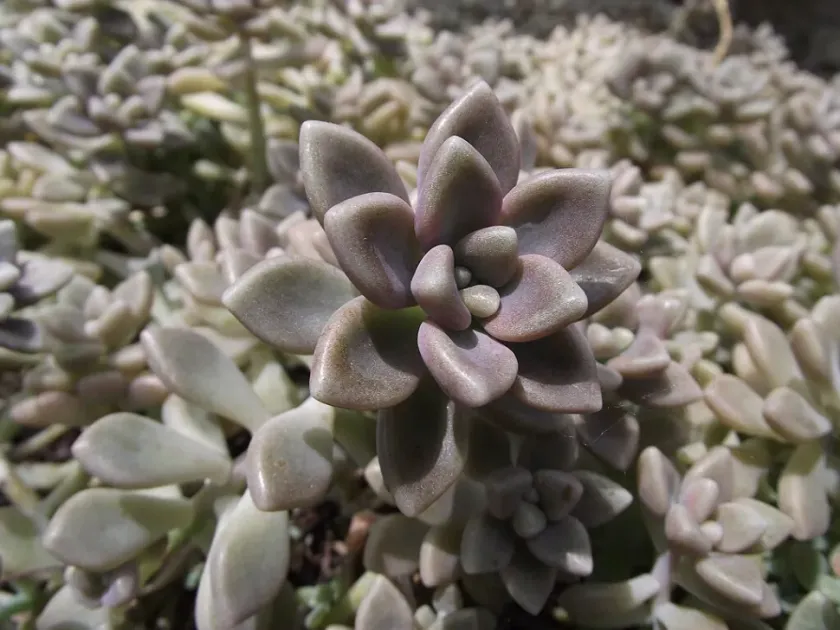
Description
Growing requirements
Sedum mendozae is a charming succulent species belonging to the Crassulaceae family. Native to the mountainous regions of Mexico, it has evolved to thrive in rocky, well-draining soils with limited water availability.
The plant requires bright, direct sunlight to maintain its compact, rosette-forming structure. In low-light conditions, the stems tend to elongate, resulting in leggy growth that detracts from the plant's aesthetic value.
Optimal growth occurs at temperatures ranging between 20°C and 25°C. During the winter dormancy period, it is crucial to keep the plant in a cooler environment, approximately 10°C to 12°C, to ensure a healthy flowering cycle.
The soil substrate must be highly porous. A mixture of horticultural sand, crushed volcanic rock, and a small amount of peat moss creates the ideal environment for the roots to develop without the risk of suffocation.
Watering protocols should follow the soak-and-dry method. During the active growing season, water thoroughly only when the soil has completely dried out, avoiding any moisture accumulation in the leaf axils.
Main diseases and pests
Root rot, caused by overwatering or poorly drained soil, is the primary threat to the health of Sedum mendozae. It is essential to ensure that containers have adequate drainage holes to prevent standing water.
Mealybugs are the most common pests, manifesting as white, cotton-like masses in the crevices of the leaves. Manual removal or application of isopropyl alcohol is often sufficient for minor infestations.
Spider mites may occasionally occur in excessively hot and dry conditions. They leave fine, barely visible webbing between the leaves and cause yellowing or stippling on the succulent foliage.
Fungal pathogens can spread quickly if the air circulation is inadequate. Maintaining a clean cultivation area and removing dead, fallen leaves is vital for preventing the development of mold and mildew.
Regular inspection of the plant's undersides and growing points allows for early detection of potential issues. Preventive measures are always more effective than attempting to cure severely damaged specimens.