
Schlumbergera orssichiana
Schlumbergera orssichiana
Description
Growing requirements
Schlumbergera orssichiana is a distinctive species within the Cactaceae family, native to the coastal rainforests of Brazil. Unlike desert cacti, this plant is an epiphyte, meaning it naturally grows on trees, absorbing moisture and nutrients from the air and decaying leaf litter.
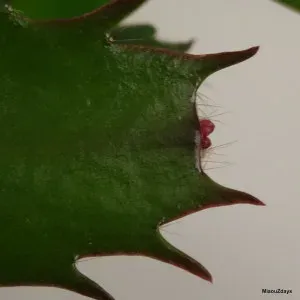
Botanically, it is known for its larger-than-average, serrated stem segments and striking, vibrant flowers. These blooms are often larger and more complex than those of the common holiday cactus, making them highly prized by plant enthusiasts.
Cultivation requires a well-draining, airy substrate composed of peat, perlite, and pine bark. This mix mimics the forest floor environment, ensuring that the root system has access to both oxygen and moderate moisture without becoming waterlogged.
Regarding climate, the plant thrives in bright, filtered light. Direct sunlight must be avoided as it can scorch the delicate segments. Temperatures should ideally range between 18 and 24 degrees Celsius, with a slight drop in temperature during the night to trigger bud development.
Agrotechnical maintenance focuses on consistent hydration using soft, room-temperature water. Humidity is vital; regular misting or using a pebble tray with water helps replicate the tropical forest atmosphere necessary for healthy vegetative growth.
Main diseases and pests
The primary threat to this species is root rot, which typically occurs due to overwatering or poor drainage. Symptoms include wilting of the segments and discoloration at the base of the stems, requiring immediate repotting and fungicide application.
Common pests such as mealybugs and spider mites are frequent invaders. These pests thrive in dry conditions and can cause significant damage to the epidermis of the plant, often leading to stunted growth or secondary bacterial infections.
Integrated pest management involves physical removal of insects using alcohol-soaked swabs, followed by the application of horticultural oils or systemic insecticides. Regular inspection of the plant's junctions is recommended for early detection.
Nutritional deficiencies, often manifesting as pale or yellowing segments, indicate a need for a balanced, low-nitrogen fertilizer specifically formulated for cacti and succulents during the active growing season.
Environmental stress, such as sudden drafts or frequent moving of the pot during the budding phase, can lead to premature bud drop. Ensuring a stable environment is essential for enjoying the full duration of the flowering cycle.