
Schlumbergera lutea
Schlumbergera lutea
Description
Growing requirements
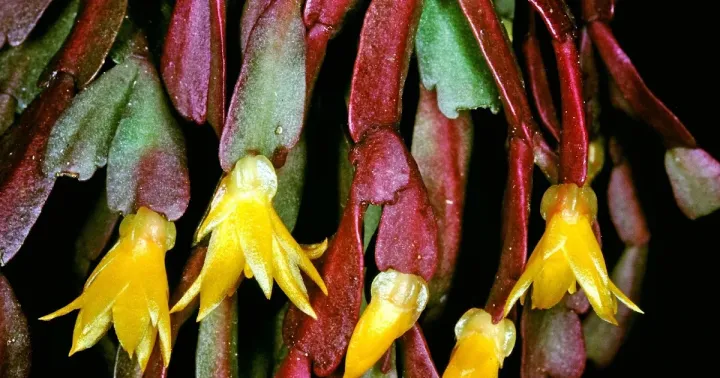
Schlumbergera lutea is an epiphytic cactus belonging to the Cactaceae family, native to the tropical forests of southeastern Brazil, where it thrives in shaded environments.
This species is characterized by its distinct flattened, leafless stem segments and striking yellow flowers, which set it apart from the more common holiday cacti.
The culture requires a well-draining, slightly acidic substrate rich in organic matter to mimic the conditions of bark crevices where it grows in the wild.
Optimal growth conditions involve bright, indirect sunlight and consistent temperatures between 18°C and 24°C, avoiding direct exposure to the sun.
Maintaining high air humidity is crucial for the health of Schlumbergera lutea, especially during the growth phase, while preventing waterlogging is essential to avoid root rot.
Main diseases and pests
The primary pests affecting this species include mealybugs and spider mites, which can cause significant damage to the plant's delicate tissues if not addressed early.
Pathogenic fungi are a significant threat, primarily manifesting as stem rot or blight when the plant is kept in conditions that are too humid or poorly ventilated.
Early identification of signs such as yellowing, shriveling, or soft segments is critical for the survival of the plant and for preventing the spread of infection.
Integrated pest management strategies involve regular inspection, manual removal of pests, and the application of mild systemic insecticides when necessary.
Proper sanitation, including the use of sterilized tools for pruning and maintaining optimal substrate drainage, effectively prevents the majority of common cultural diseases.