
Schlumbergera kautskyi
Schlumbergera kautskyi
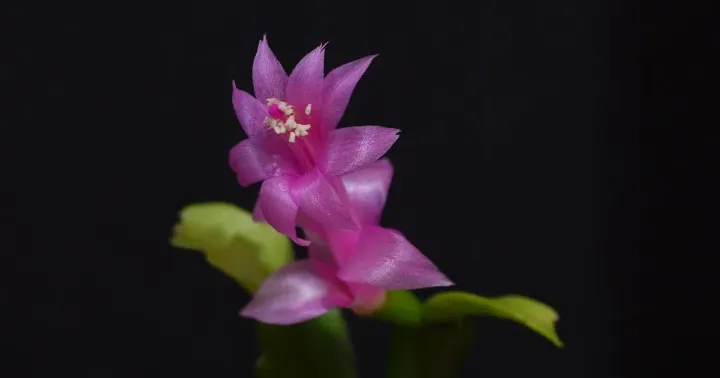
Description
Growing requirements
Schlumbergera kautskyi is a distinct species of epiphytic cactus belonging to the Cactaceae family. This plant is recognized for its unique, segmented, flattened stems that are adapted for survival in humid, forest environments rather than arid deserts.
The species is native to the high-altitude forests of the Espírito Santo state in Brazil. It typically grows as an epiphyte on trees or as a lithophyte on rocks, thriving in the cool and misty climate characteristic of these mountainous regions.
In terms of cultivation, the plant requires a highly porous and well-draining growing medium. A blend consisting of composted bark, perlite, and a small amount of peat or leaf mold is recommended to ensure adequate aeration for the sensitive root system.
Light requirements for this species include bright, filtered sunlight. Direct exposure to intense, midday sun should be avoided as it can cause significant damage to the leaf segments, leading to chlorosis or tissue necrosis.
Humidity management is vital for the health of Schlumbergera kautskyi. While it needs consistent moisture, it must not remain waterlogged; it is essential to allow the top layer of the substrate to dry out between watering intervals.
Main diseases and pests
Root rot, primarily caused by Phytophthora or Pythium species, remains the most significant threat to this culture. Poor drainage and excessive watering are the primary culprits that lead to the rapid collapse of the plant's structural integrity.
Mealybugs are common pests that tend to hide in the axils between the stem segments. These insects feed on plant sap and can severely weaken the cactus if not managed with horticultural oils or specific systemic insecticides.
Spider mites can become a major issue in environments with low humidity and poor ventilation. They cause stippling on the surface of the segments, which eventually leads to the segments turning yellow and dropping prematurely.
Scale insects can form small, hard, protective shells on the stems, making them difficult to detect and treat. Regular inspection and physical removal, or the use of systemic pesticides, are effective strategies for keeping the infestation under control.
To maintain plant vitality, it is crucial to avoid sudden shifts in temperature and ensure regular air exchange around the plant. This prevents the formation of stagnant air pockets where fungal spores or secondary infections might flourish.