
Schlumbergera microsphaerica
Schlumbergera microsphaerica
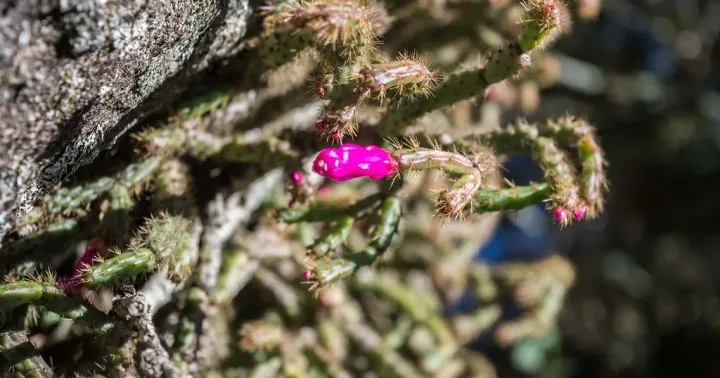
Description
Growing requirements
Schlumbergera microsphaerica is a rare and distinct epiphytic cactus belonging to the Cactaceae family. It is characterized by its unique segmented stems that exhibit a more cylindrical growth habit compared to the more widely known holiday cacti varieties.
The native habitat of this plant is restricted to the high-altitude regions of the Atlantic coast in Brazil. It typically grows as an epiphyte on tree branches or within rock crevices, where it benefits from the cool, mist-laden air of the mountainous terrain.
In cultivation, this species requires a highly porous, organic-rich, and well-draining potting medium. Standard cactus mixes are often insufficient and should be amended with organic materials like coco coir or bark to mimic the epiphytic environment of its natural habitat.
The plant thrives in bright, indirect light and demands high levels of relative humidity to maintain healthy stem turgor. It is highly sensitive to extreme temperature fluctuations and prefers moderate, stable conditions, ideally between 18 and 24 degrees Celsius.
Irrigation must be managed with extreme precision, as the plant is prone to root rot. Watering should be increased during the active growing season and reduced during the rest period, ensuring the substrate never becomes waterlogged or completely bone-dry for extended periods.
Main diseases and pests
The most common pests affecting Schlumbergera microsphaerica are spider mites and mealybugs, which thrive in drier indoor conditions. Regular monitoring of the stem segments is crucial to detect early infestations before they compromise the structural integrity of the plant.
Fungal pathogens represent the most significant threat to this species, particularly when excessive moisture is combined with poor air circulation. Overwatering often results in basal rot, which can spread rapidly through the segmented stems if left untreated.