
Schlumbergera opuntioides
Schlumbergera opuntioides
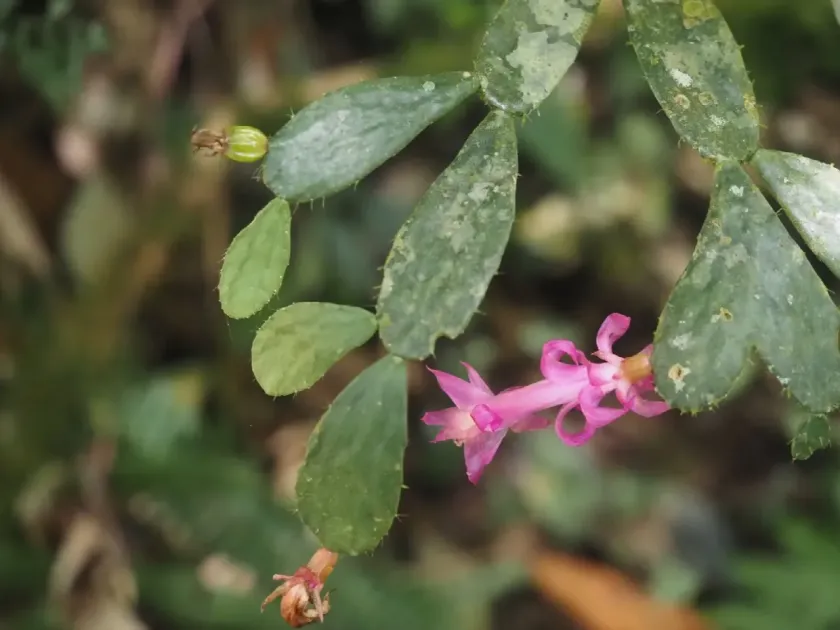
Description
Growing requirements
Schlumbergera opuntioides is a unique species belonging to the Cactaceae family, known for its distinctive morphology that sets it apart from more common holiday cacti. Native to the high-altitude cloud forests of southeastern Brazil, it grows as an epiphyte on trees and rocks in rocky outcrops.
Botanically, this species is defined by its small, flattened, and bristly stem segments that resemble those of the Opuntia genus, which gives the plant its specific epithet. As the plant matures, the stems tend to become woody, developing a robust structural frame that is highly prized by collectors.
Agricultural success depends on providing an airy and well-draining substrate. A mix consisting of orchid bark, high-quality peat, perlite, and charcoal works best to mirror the natural forest litter environment, ensuring oxygen reaches the delicate root system.
The climate requirements for this plant include moderate temperatures and high humidity, typical of its montane origin. It thrives in diffused light, as direct, harsh sunlight can damage the epidermis and cause the segments to turn red or yellowish, signaling stress rather than growth.
Cultivation requires careful attention to the seasonal cycle, specifically the cooling period in autumn. A drop in temperature combined with a drier substrate acts as an essential trigger for bud formation, allowing the plant to reach its full flowering potential during the winter months.
Main diseases and pests
Root rot remains the most significant threat to Schlumbergera opuntioides, usually triggered by waterlogging and poor aeration of the potting medium. Once established, fungal pathogens can quickly compromise the root system, leading to the collapse of the plant's structural integrity.
Mealybugs are the most persistent insect pests, often hiding in the deep serrations and joints between the bristly segments. Regular monitoring and the application of systemic insecticides are necessary to keep infestations under control and prevent sap depletion.
Red spider mites thrive in low-humidity environments, and their feeding activity leads to unsightly discolored patches on the stems. Increasing ambient humidity and using appropriate acaricides are effective strategies to mitigate the damage caused by these microscopic pests.
Scale insects may attach themselves to the more mature, lignified stem segments, drawing nutrients and weakening the plant. Because of their hard shells, they must be manually removed or treated with oils or specific systemic treatments to break their life cycle.
Fusarium wilt and other stem rots represent biological threats that can enter through small wounds on the stem. Maintaining excellent sanitation, using sterilized tools for propagation, and ensuring good air circulation are the primary measures for preventing these devastating diseases.