
Brown's honeysuckle
Lonicera x brownii (Regel) Carrière
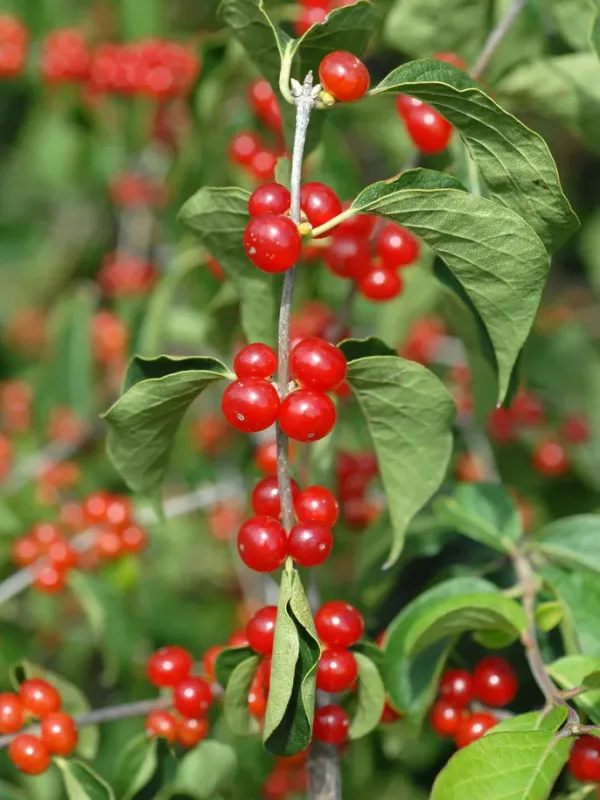
Description
Growing requirements
Brown's honeysuckle (Lonicera x brownii) is a hybrid climbing shrub belonging to the Caprifoliaceae family. This ornamental plant is prized for its vigorous growth and stunning, trumpet-shaped flowers that bloom in vibrant shades of red and orange throughout the summer season.
The plant thrives best in locations with full sun to partial shade, where it receives at least six hours of direct sunlight. Providing a sturdy trellis, fence, or arbor is essential, as the twining vines need vertical support to reach their full potential and height.
Regarding soil preferences, this honeysuckle performs best in well-drained, nutrient-rich soils with a slightly acidic to neutral pH. It is important to ensure the planting site has adequate drainage, as the species is sensitive to waterlogged soil conditions that can cause root distress.
Agrotechnical care includes regular watering during the first growing seasons to establish a deep root system. Once mature, the plant exhibits moderate drought tolerance, although consistent moisture will ensure more prolific flowering and lush foliage density throughout the year.
Annual maintenance involves pruning in early spring to remove dead or damaged branches and to shape the vine. Regular feeding with a balanced, slow-release fertilizer in early spring supports healthy growth and enhances the plant's natural resistance to environmental stressors.
Main diseases and pests
Powdery mildew is the most common fungal issue affecting Brown's honeysuckle, especially in humid and stagnant air conditions. Improving airflow through correct spacing and proper pruning helps mitigate the risk of infection and maintains plant vigor.
Aphids can frequently infest the tender new growth of the vines, causing stunted development and distorted leaves. Biological controls or targeted insecticidal soaps are recommended to manage aphid populations without harming the beneficial insects in the garden.
Spider mites can become a nuisance during hot, dry spells, causing the leaves to appear mottled and faded. Frequent overhead watering or misting the foliage can create an environment less favorable for mite colonization, preserving the plant's ornamental appeal.
Root rot, while less common in well-drained soil, can occur if the plant is subjected to poor soil aeration. Gardeners should monitor the moisture levels around the base of the shrub to ensure the root zone remains healthy and well-oxygenated.
Sanitation practices, such as removing fallen leaves at the end of the season, are essential for preventing the carry-over of fungal spores. By staying vigilant and maintaining healthy growing conditions, gardeners can easily manage these typical threats to the plant.