
Scabiosa tschiliensis
Scabiosa tschiliensis Grüning
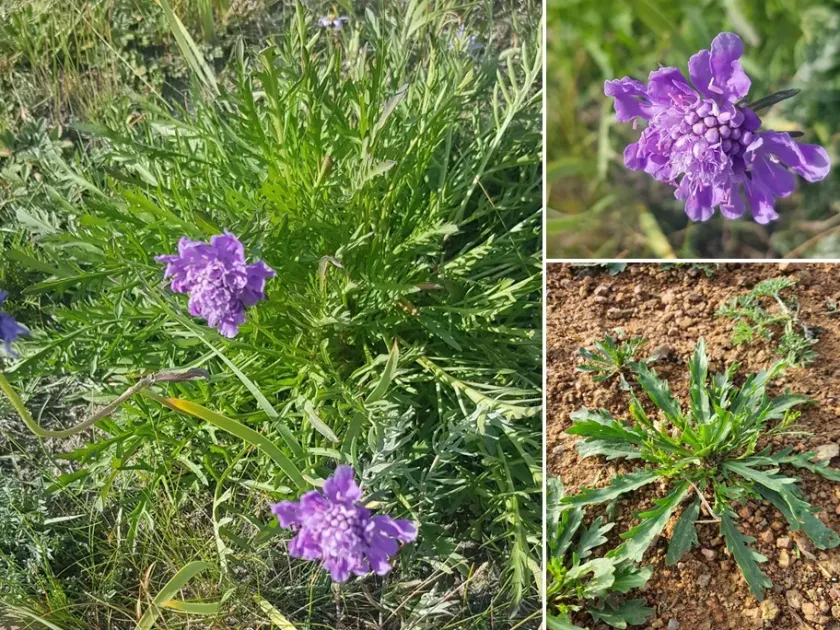
Description
Sowing dates
Scabiosa tschiliensis belongs to the Caprifoliaceae family and is recognized as a hardy ornamental plant suitable for diverse cultivation conditions.
The optimal sowing time is in spring when soil temperatures reach 12–15 degrees Celsius, allowing the seeds to germinate steadily and develop strong root systems.
For earlier flowering, seeds can be started in trays under controlled conditions in early spring and transplanted after the threat of frost has passed.
Seeds should be planted at a shallow depth of approximately 0.5 to 1 cm, ensuring they receive enough light, which is crucial for uniform germination.
Maintaining a distance of 25–30 cm between individual plants is essential for airflow, which reduces the risk of moisture-related issues during the growth stage.
Growing requirements
This species thrives in sunny locations, as exposure to direct sunlight is vital for producing vibrant, healthy blooms and maintaining sturdy upright stems.
The preferred soil type is well-drained, sandy loam or loamy soil with a neutral pH level, which ensures optimal nutrient uptake and root health.
Regular watering is necessary, especially during dry spells, although the plants possess a moderate tolerance to drought once fully established in the garden.
Temperature-wise, Scabiosa tschiliensis performs best in temperate conditions, typically between 18 and 24 degrees Celsius, throughout the active growing season.
Consistent weeding and soil aeration around the root zone are recommended to encourage rapid growth and minimize competition for vital soil minerals.
Main diseases and pests
Powdery mildew represents a significant threat to this crop, particularly in environments with poor air circulation or consistently high levels of humidity.
Root rot, often caused by waterlogged soil, can severely damage the plant's health, leading to premature wilting and death if not addressed immediately.
Common pests such as aphids and spider mites can infest the foliage, sucking nutrients and causing the leaves to yellow or distort during peak season.
Management of these threats involves balanced irrigation practices and the targeted use of systemic insecticides if pest populations exceed economic thresholds.
Regular monitoring of the garden beds allows for early detection of diseases, enabling quick intervention through cultural or chemical control methods.
Harvesting
Scabiosa tschiliensis is primarily cultivated for its aesthetic value in landscaping and as a high-quality cut flower for professional floral arrangements.
Harvesting for bouquets should ideally take place when the flowers are partially open, which helps them maintain their longevity and beauty when placed in water.
For those interested in seed collection, flower heads should remain on the plants until the seed heads turn dark brown and begin to show signs of maturity.
Seed harvesting should be performed in dry, calm weather to prevent the loss of seeds through natural dispersal, which is common in the genus Scabiosa.
After collection, the seeds should be thoroughly cleaned and air-dried in a shaded area before being stored in cool, dry conditions for the following season.