
Scabiosa
Scabiosa atropurpurea L. x Scabiosa caucasica M. Bieb.
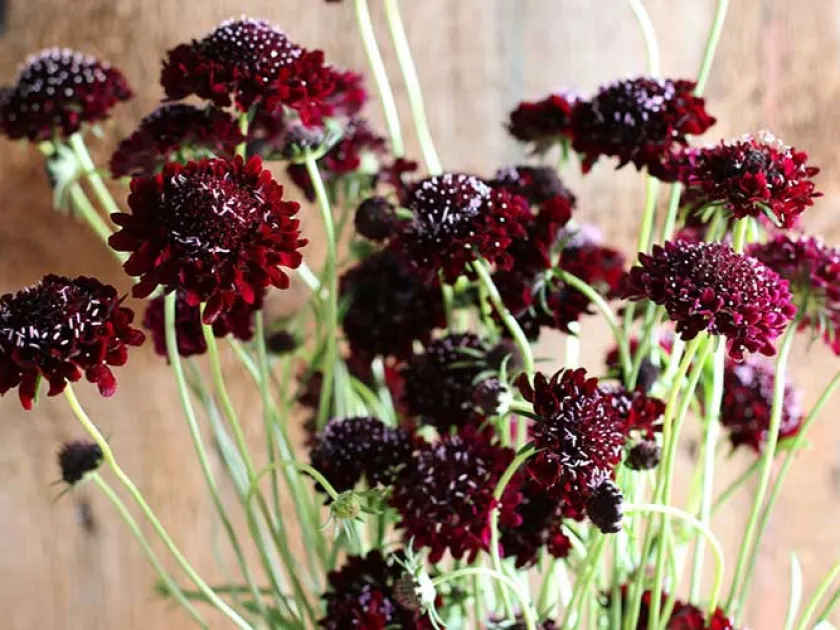
Description
Sowing dates
Sowing Scabiosa seeds for seedlings is typically carried out in March or April. The optimal germination temperature is between 18–20 degrees Celsius, with seedlings emerging within two to three weeks under favorable conditions.
For open-field cultivation, seeds can be sown directly in late May, once the risk of spring frost has passed. When using the seedling method, plants are transplanted into the garden at the end of May, maintaining a spacing of 25–35 cm between plants.
Using a lightweight, nutrient-rich substrate is vital for early seedling development. Before moving the plants to the garden, a hardening process is recommended to help them adapt to direct sunlight and temperature fluctuations.
Autumn sowing is only viable in regions with mild winters, as the plant needs protection from severe soil freezing. In most temperate zones, spring sowing remains the standard practice to ensure high germination rates and robust growth.
Scabiosa belongs to the Caprifoliaceae family and includes both annual and perennial species. Originally native to the Mediterranean, the Caucasus, and Central Asia, the plant has adapted well to diverse agricultural settings.
Growing requirements
Scabiosa thrives in open, sunny locations with full sun exposure. Shady areas cause the stems to become leggy and significantly reduce the number and quality of flower heads throughout the season.
Well-drained, fertile soil with a neutral to slightly alkaline pH is required for successful growth. Heavy, clay-rich soils should be amended with organic matter or sand to prevent waterlogging, which the plant cannot tolerate.
While the plant shows moderate drought tolerance once established, regular watering is essential during dry spells to maintain healthy flowering. Care must be taken to avoid stagnant water around the root zone.
Fertilizing with a balanced mineral complex two or three times per season promotes strong vegetative growth and vibrant blooms. It is important to avoid excessive nitrogen, which can lead to lush leaves but fewer flowers.
The plant performs best in moderate temperatures. Providing consistent care and maintaining good air circulation around the plants will prevent many common physiological and health-related issues during the growth cycle.
Main diseases and pests
Powdery mildew is the most common fungal disease affecting Scabiosa, often triggered by high humidity and crowded planting conditions. It appears as a white coating on the leaves and can severely weaken the plant.
Root rot occurs in poorly drained soils or when plants are overwatered. This condition is difficult to treat, making prevention through proper site selection and irrigation management the best strategy for the grower.
Pests such as aphids and spider mites can infest the soft tissues and buds. These pests multiply rapidly in warm weather, necessitating regular monitoring and the prompt use of appropriate insecticides if an outbreak occurs.
Implementing basic preventive measures, including regular weeding and thinning out overcrowded patches, helps maintain overall plant health. Cleanliness in the garden significantly reduces the pressure from various pathogens.
Fungicides should be applied at the first sign of fungal infection to limit the spread of disease. Always follow local agricultural guidelines for product application to protect the plants effectively without harming the environment.
Harvesting
For cut flowers, harvest Scabiosa when the flower heads are only partially opened. This timing ensures the longest vase life, making the flowers attractive for professional floristry and home decoration.
The best time to cut stems is early in the morning when the plant's moisture content is at its peak. Immediately placing stems in clean water helps maintain their structural integrity and freshness.
Scabiosa is highly valued in the commercial flower market for its unique pincushion-like appearance and its ability to complement various floral arrangements. It remains a popular choice for both bouquets and garden design.
Seed collection for future planting should occur after the flower heads have dried completely and turned a deep brown color. Storing seeds in a cool, dry place ensures they remain viable for the following season.
Removing spent flowers regularly is essential for encouraging continuous blooming. By preventing the plant from focusing energy on seed production, you can significantly extend the flowering period throughout the entire season.