
Scabiosa caucasica
Scabiosa caucasica M. Bieb.
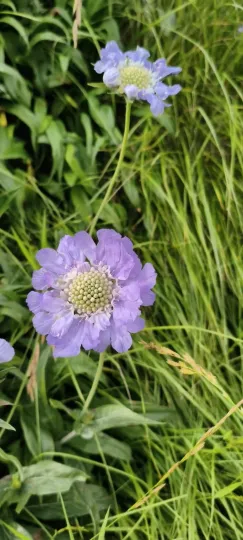
Description
Sowing dates
Sowing of Scabiosa caucasica seeds is typically performed in early spring, once the soil has warmed up, or indoors during late winter for earlier blooming.
For indoor propagation, seeds should be placed in well-drained seedling trays, covered lightly with soil, and kept at temperatures between 18 and 20 degrees Celsius.
Transplanting to the final outdoor location happens after the last spring frost. Proper spacing of 30 to 40 centimeters is essential for air circulation and plant health.
Seeds are hardy and remain viable for up to three years. Ensure that the planting site is prepared with organic matter to improve soil structure before sowing begins.
Germination usually takes about two to three weeks. Providing consistent moisture during this period is vital to support the development of strong root systems.
Growing requirements
Scabiosa caucasica, a member of the Caprifoliaceae family, is a herbaceous perennial native to the alpine meadows of the Caucasus Mountains.
This plant thrives in full sun exposure. While it tolerates partial shade, full sunlight is necessary to maintain the plant's structural integrity and vibrant bloom color.
Well-drained, fertile soil with a neutral to slightly alkaline pH is ideal. Avoid waterlogged soils, as the root system is highly susceptible to rot in stagnant moisture.
Scabiosa is relatively drought-tolerant once established. However, regular irrigation is recommended during the peak of summer to ensure sustained flowering.
Maintaining soil fertility through moderate fertilization helps the plant produce abundant flowers. Nitrogen-rich fertilizers should be applied sparingly, focusing on phosphorus and potassium instead.
Main diseases and pests
Powdery mildew is the most frequent fungal disease affecting Scabiosa. It appears as a white dusty coating on the leaves, usually triggered by high humidity and poor airflow.
Root rot is a significant risk in heavy, wet soils. Improving drainage and monitoring irrigation frequency are the most effective ways to manage this threat.
Aphids and spider mites are the primary insect pests. They colonize the underside of leaves and young stems, causing wilting and reducing the overall aesthetic quality.
Integrated pest management strategies, such as the use of horticultural oils or soap sprays, are recommended for controlling early infestations of common flower pests.
Regular sanitation, including the removal of dead leaves and plant debris from the garden beds, helps minimize the overwintering of pathogens and insect eggs.
Harvesting
Harvesting for commercial use should be done when flowers are partially open. This stage provides the best vase life and ensures the stems remain sturdy.
Deadheading spent blooms throughout the growing season is crucial to prevent the plant from putting energy into seed production, thus promoting repeat flowering.
For seed saving, leave the strongest stalks on the plant until the seed heads turn brown and begin to dry naturally, which usually occurs in late summer.
After collection, seed heads must be cleaned and dried in a cool, dark, and well-ventilated area to prevent humidity-related damage or premature germination.
Properly processed seeds should be stored in envelopes or paper bags, kept away from direct light and humidity to preserve their germination potential for the next season.