
Mourning bride
Scabiosa atropurpurea L.
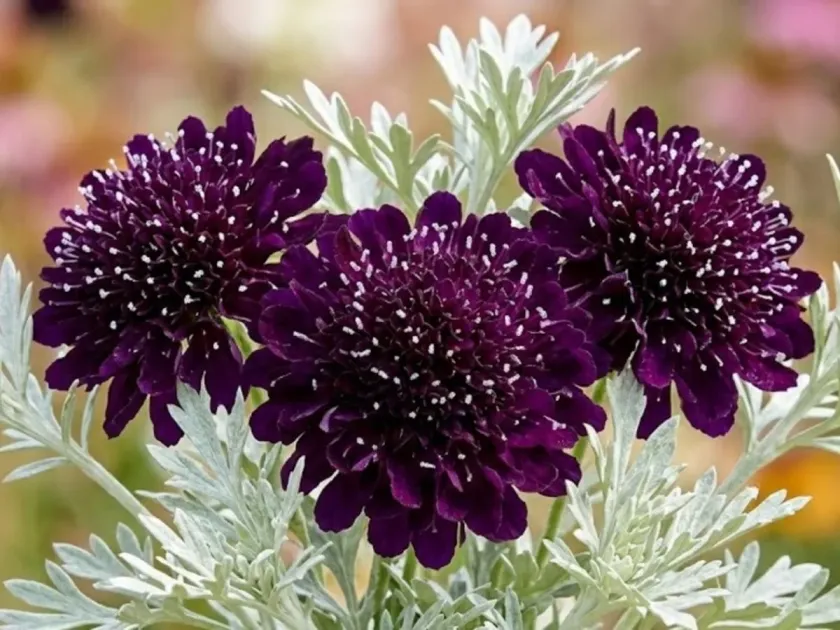
Description
Sowing dates
Scabiosa atropurpurea (Mourning bride) belongs to the Caprifoliaceae family and is highly valued in the floriculture industry for its unique, dark-colored blooms.
Seeds are typically sown indoors in late winter or early spring, using trays filled with a well-draining, sterile seed-starting mix.
Light is essential for germination; therefore, seeds should be sown on the surface of the medium and covered only very lightly with vermiculite or fine soil.
The optimal germination temperature range is 18–20°C, with emergence occurring within approximately two weeks under consistent moisture levels.
Transplanting to the permanent growing site should be conducted after the danger of frost has passed, ensuring the soil has adequately warmed up.
Growing requirements
This crop thrives in full sun exposure, which is necessary to promote sturdy stem development and vibrant petal coloration throughout the growing season.
Well-drained, fertile soil is paramount; the species performs poorly in heavy, waterlogged substrates that restrict root development and increase disease susceptibility.
A neutral to slightly alkaline soil pH is preferred, and liming may be necessary if the local soil testing indicates high acidity levels.
While the plants show some tolerance for temporary drought, regular irrigation is advised during peak growth phases to ensure optimal flower quality.
Frequent weeding is required during the initial stages of development to minimize resource competition between the crop and opportunistic vegetation.
Main diseases and pests
Powdery mildew represents a significant threat to Scabiosa populations, particularly in environments characterized by high humidity and stagnant airflow.
Root rot, often caused by Phytophthora or Pythium species, occurs when soil drainage is insufficient, leading to rapid plant decline.
Aphids and spider mites are common pests that colonize foliage and developing flower buds, causing deformation and reduced marketability of the product.
Integrated pest management strategies, including the use of targeted insecticides and maintaining proper plant spacing, are effective for controlling these infestations.
Strict sanitation practices, such as removing infected plant material, help prevent the spread of fungal and bacterial pathogens within the field.
Harvesting
Harvesting for fresh-cut flowers occurs when the individual florets on the flower head are roughly two-thirds open to ensure a long vase life.
Stems should be cut at the base of the plant using sanitized shears and placed immediately into water to prevent dehydration during the sorting process.
For commercial production, it is recommended to harvest during cooler parts of the day, such as early morning, to maximize the post-harvest quality.
If seed production is the objective, the flower heads must remain on the plant until they are completely dry and the seeds turn a dark, mature color.
Harvested seeds should be threshed, winnowed to remove chaff, and stored in airtight, labeled containers in a cool, dark environment to maintain viability.