
Scabiosa africana
Scabiosa africana L.
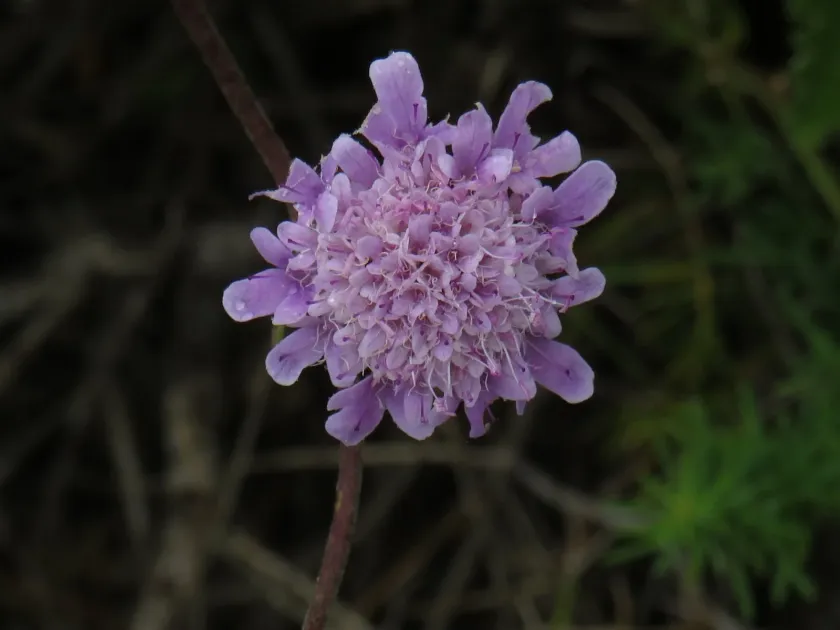
Description
Sowing dates
Scabiosa africana is typically propagated via seeds, and starting them indoors is the most reliable method for achieving early blooms. Sowing should commence in late February or early March using propagation trays.
The seeds require a consistent environment with temperatures between 18 and 20 degrees Celsius to germinate successfully. Lightly covering the seeds with a fine substrate helps maintain the necessary moisture levels.
Pricking out the seedlings into individual pots is essential once the first pair of true leaves appears. This step promotes better root development before the plants are eventually moved outdoors to the garden.
Transplanting into the open ground should only happen once the risk of spring frost has completely passed. Acclimatizing the plants to outdoor conditions over a week is a critical step for survival.
Direct sowing in the garden is possible in milder climates by late April. However, growers should expect a later blooming period compared to plants started under controlled indoor conditions.
Growing requirements
This species thrives in locations that receive full sun for the majority of the day. Exposure to direct sunlight is necessary for the plant to develop robust stems and achieve maximum flower density.
Soil quality is paramount, and the plant prefers well-draining, fertile loams. It is highly sensitive to waterlogged conditions, which can quickly lead to root rot; therefore, good drainage is non-negotiable.
The ideal soil pH for Scabiosa africana ranges from neutral to slightly alkaline. Gardeners should test their soil and incorporate lime or dolomite if the pH is too low for optimal growth.
While the plants show some tolerance to short dry spells, regular irrigation during the growing season is recommended. Keeping the soil consistently moist but not saturated ensures high-quality blooms.
Fertilization with a balanced, slow-release fertilizer during the planting stage provides the necessary nutrients. Supplementing with a potassium-rich fertilizer during the budding phase enhances color and size.
Main diseases and pests
Root rot is the most common threat, usually triggered by excessive irrigation or poor soil drainage. Affected plants exhibit wilting and stunted growth, often leading to rapid decline if not addressed.
Powdery mildew is a frequent fungal problem that appears as a white dusting on the foliage. Maintaining adequate air circulation between plants is a primary preventative measure to minimize this risk.
Aphids are the most prevalent pest, tending to cluster on tender shoots and flower buds. They suck the sap from the plant, which can result in distorted leaves and inhibited flower development.
Spider mites may appear during periods of extreme heat and low humidity. Early detection is key, and insecticidal soaps or specific acaricides are often effective in controlling their population.
General garden hygiene, such as clearing debris and weeds, is vital. Keeping the garden tidy prevents many common pests from establishing a habitat and reduces the likelihood of spreading diseases.
Harvesting
For floral arrangements, stems should be harvested when the flower heads are about halfway open. This timing ensures the longest possible vase life while maintaining the aesthetic appeal of the flower.
Stems must be cut with sharp, sterilized tools to prevent bruising the plant tissue. Immediately placing the cut stems into clean water is essential to maintain turgor pressure and freshness.
If harvesting for seeds, gardeners should allow specific flower heads to mature fully on the plant. The harvest is ready once the heads have turned brown and the seeds are firm and dry to the touch.
After collection, seed heads should be air-dried in a sheltered, well-ventilated area. Once fully dry, thresh the seeds to separate them from the debris and store them in paper bags in a cool, dark environment.
Regular deadheading throughout the blooming season is highly recommended. By removing spent blossoms, the gardener prevents the plant from setting seed and encourages the production of new, vibrant flowers.