
Small scabious
Scabiosa columbaria L.
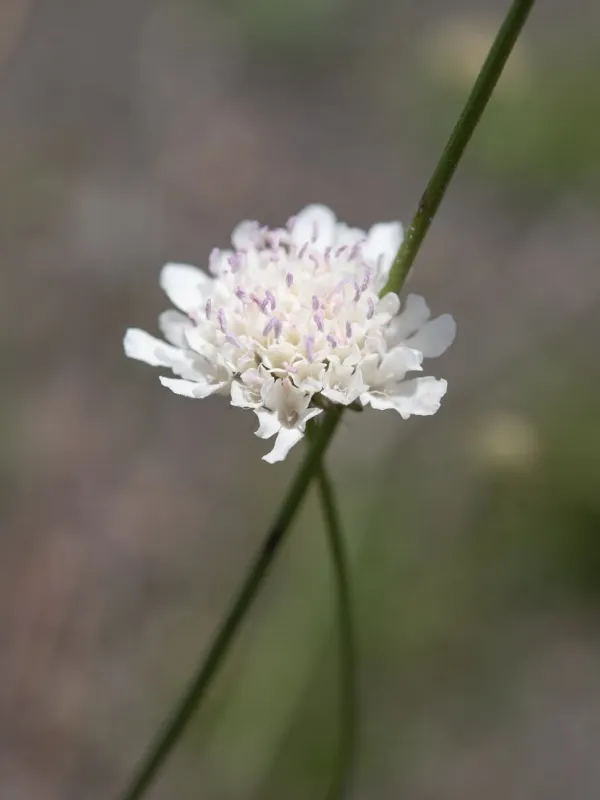
Description
Sowing dates
Small scabious (Scabiosa columbaria) is a perennial herbaceous plant belonging to the Caprifoliaceae family. The crop is primarily propagated by seeds, which are typically sown in the spring once the soil temperature has stabilized.
For seedling production, seeds should be sown in March or April in containers filled with a loose, well-draining substrate. Seeds should be covered with a thin layer of soil (0.5–1 cm), as they require some exposure to light for optimal germination.
If sowing directly into open fields, this is best done in the second half of May. Proper spacing is essential, with plants set 30 to 40 centimeters apart to ensure sufficient airflow and room for individual plant development.
The seeds demonstrate good germination energy when temperatures are maintained between 18 and 20 degrees Celsius. Seedlings usually emerge within 14 to 20 days after the initial sowing.
Professional agronomists often recommend cold stratification of the seeds for a few weeks before planting to significantly enhance the emergence rate and ensure a uniform crop density across the field.
Growing requirements
This crop is highly light-loving and thrives best in open, sunny locations. Exposure to direct sunlight is crucial, as shading leads to weak, elongated stems and a reduction in both flower quality and overall plant vigor.
Small scabious demands well-draining, light, and lime-rich soils to thrive. Waterlogging is detrimental to the plant, often leading to rapid root rot, so careful attention to soil drainage is required.
The plant exhibits excellent winter hardiness, making it suitable for a wide range of temperate climates. However, in regions prone to severe winters with no snow cover, a light mulch or covering is beneficial to protect the plant crowns.
The optimal soil pH range for this species is neutral to slightly alkaline. In acidic soil conditions, liming is a mandatory procedure to be performed before planting to ensure nutrient bioavailability.
Irrigation is necessary during the establishment phase, but once mature, the plant is remarkably drought-tolerant due to its deep taproot system, which helps it access water stored in lower soil layers.
Main diseases and pests
The main phytopathological concerns for Scabiosa columbaria include fungal diseases such as powdery mildew and various types of root rot. These issues are most prevalent in humid conditions with poor ventilation.
Pests such as aphids are frequent visitors, feeding on the succulent young shoots and developing flower buds. Some lepidopteran larvae may also cause mechanical damage to the foliage during the growing season.
To prevent disease outbreaks, it is essential to maintain optimal plant density and ensure weeds are kept under control. Removing infected plant parts promptly is a critical step in managing the spread of pathogens.
In cases of severe infestation, the application of systemic fungicides or insecticides may be required. Always follow manufacturer labels to ensure chemical efficacy and safety for both the environment and the crop.
Integrated pest management also involves monitoring the area for host weeds, which can serve as reservoirs for diseases or overwintering sites for insects, potentially initiating new infestations.
Harvesting
Small scabious is primarily utilized in decorative gardening and landscape design. Its cut flowers are highly valued in the floral industry for their durability and elegant appearance in bouquets.
For commercial cutting, flowers should be harvested in the early morning hours while the plant is well-hydrated. Harvesting at the peak of bloom, when the flowers are fully open but not yet wilting, ensures maximum longevity.
Seed harvesting should occur gradually as the seed heads mature and turn brown. It is important to harvest before the seeds naturally disperse to minimize waste and allow for controlled future planting.
After harvesting, the seeds must be dried in a well-ventilated, shaded area away from direct sunlight. Storage should be in paper bags at low humidity to maintain the biological viability of the seeds for the following season.
The plant also acts as a vital nectar source, attracting numerous pollinators to the farm or garden, which significantly supports the biodiversity and yield of other entomophilous agricultural crops.