
Japanese pincushion flower
Scabiosa japonica Miq.
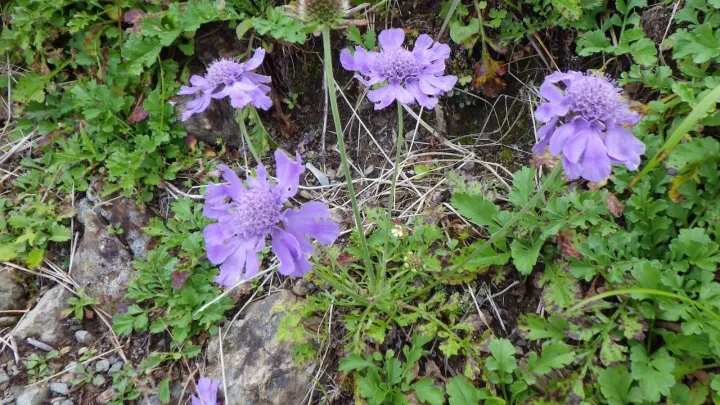
Description
Sowing dates
Seeds of Scabiosa japonica are typically sown indoors in March or April to achieve blooming specimens within the current season. For direct outdoor sowing, it is recommended to wait until the soil warms up sufficiently, usually no earlier than May.
Successful germination requires stable temperatures around 18–20 degrees Celsius. Seeds should be covered lightly with substrate, no more than 0.5 centimeters deep, as a certain level of natural light is necessary for the germination process to begin.
Seedlings emerge unevenly, usually within two to three weeks, provided that the soil moisture is kept at a moderate level. It is crucial to avoid overwatering the seedbeds to prevent the development of fungal diseases during the early stages of growth.
Once two pairs of true leaves appear, seedlings should be pricked out into individual containers or relocated to greenhouses for further growth. Hardened seedlings are transplanted to their permanent location with a spacing of 25–30 centimeters to ensure optimal air circulation.
Autumn sowing is also feasible in regions with mild climates, where seeds undergo natural stratification in the soil, which often promotes more uniform growth in the following spring.
Growing requirements
The plant has moderate requirements for soil composition, preferring loose, fertile loams with a neutral or slightly alkaline pH. Waterlogging is detrimental to the plant's root system, so proper drainage is essential for long-term survival.
Scabiosa japonica is a sun-loving species; therefore, open and well-lit areas should be chosen for its cultivation. In shady locations, stems tend to become leggy, and the intensity of flowering is noticeably reduced.
While the plant possesses good frost resistance, in regions with harsh, snowless winters, it is recommended to provide light protection for the root system using a mulch layer of peat or spruce branches.
Irrigation should be moderate and consistent, especially during the active growth period and the formation of flower buds. During dry spells, the need for water increases, but excessive moisture in the root zone must be avoided.
Soil preparation involves adding organic matter, such as compost or well-rotted manure, in the autumn. In the spring, during the bud development stage, applying complex mineral fertilizers focused on potassium and phosphorus is highly effective.
Main diseases and pests
The primary threat to Scabiosa japonica is powdery mildew, which typically occurs during periods of high humidity and poor air circulation. Controlling this requires the application of systemic fungicides.
Root rot diseases often develop as a result of systematic overwatering. Preventing this issue involves maintaining a proper irrigation schedule and ensuring the planting site is well-drained.
Pests such as aphids may infest young leaves and flower buds, feeding on sap and weakening the plant. Regular monitoring allows for the early detection of colonies, which can be managed with insecticides or soap solutions.
Nematodes may occasionally affect the plant, causing deformation of stems and foliage. In such cases, affected specimens must be immediately removed and destroyed to prevent the spread of the pathogen.
Slugs and snails, which are particularly active in damp weather, can feed on young leaves. Therefore, using physical barriers or organic baits around the planting areas is often recommended.
Harvesting
The agricultural and ornamental use of the Japanese pincushion flower focuses on harvesting stems for floral arrangements and landscaping purposes. Stems should be cut when the inflorescences are in the semi-open stage.
To maximize the vase life, stems should be harvested using a sharp tool early in the morning when the plant is fully hydrated. It is recommended to slightly split the base of the stem to improve water uptake.
Removing faded flowers is an essential maintenance practice that stimulates the formation of new buds and extends the overall blooming season until the first heavy frosts.
When used in landscape design, the decorative appeal of the culture lasts until late autumn, making it an excellent choice for mixed borders and rock gardens.
Seed harvesting should be conducted after the seed heads have turned brown. They are clipped along with a portion of the stem and dried in a well-ventilated, dry room before cleaning away debris.