
Scabiosa comosa
Scabiosa comosa Fisch. ex Roem. & Schult.
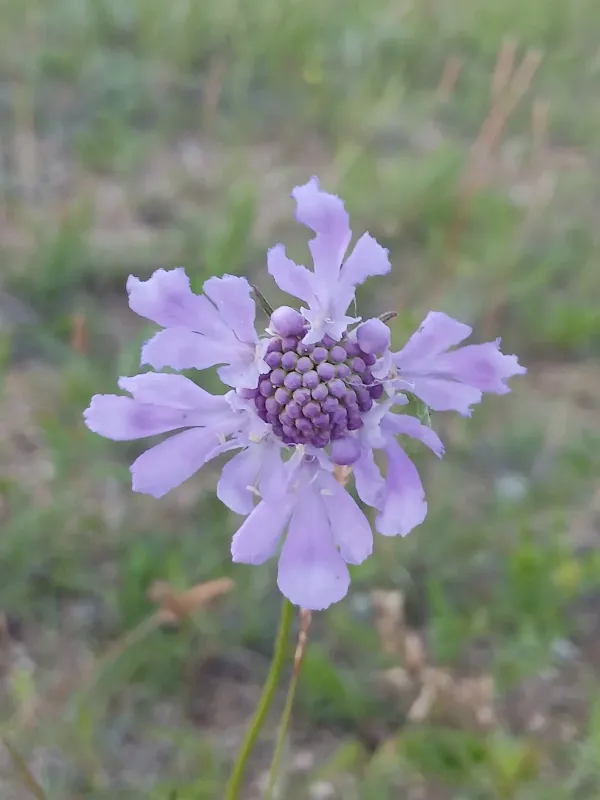
Description
Sowing dates
Sowing Scabiosa comosa in temperate climates is best performed in the spring, once the soil has warmed to at least 10–12 degrees Celsius. The ideal sowing window is between late April and mid-May for direct outdoor seeding.
Seeds of this species exhibit good germination rates, though they benefit from cold stratification if sown in the autumn. For autumn planting, seeds should be sown in October to allow for natural exposure to winter conditions.
When starting indoors, sowing should begin in March using well-draining seed-starting soil. Transplanting to the permanent site should occur after the risk of frost has passed, maintaining a spacing of 30–40 centimeters.
Proper seed depth is crucial, generally between 1 and 2 centimeters. Ensuring the soil is firmed down slightly after sowing helps maintain moisture contact, which is vital for the germination of the seeds.
Providing a consistent moisture level in the germination phase is key to uniform emergence. Seedlings usually emerge within 14 to 20 days, depending on the ambient temperature and soil conditions.
Growing requirements
Scabiosa comosa belongs to the Caprifoliaceae family and is native to the steppe and mountain regions of Eastern Asia. It is highly adapted to open, airy environments with plenty of sunlight exposure.
The plant thrives in full sun; in shaded conditions, it becomes leggy and produces fewer blooms. A location with excellent air circulation is necessary to prevent fungal diseases that often affect the plant in humid conditions.
The soil should be fertile, well-draining, and ideally neutral to slightly alkaline. It does not tolerate heavy or waterlogged soil, as this quickly leads to root rot, which is the most common cause of failure.
While the plant is drought-tolerant once established, supplemental watering during hot summer spells will maintain superior flower production. It is hardy and able to withstand cold winters effectively in most regions.
Routine maintenance includes hoeing between rows to manage weeds and improve soil aeration. Supplemental balanced fertilizers during the budding stage help to maximize the decorative potential of the crop.
Yield
The primary use of Scabiosa comosa is in ornamental landscaping and garden design. Its aesthetic appeal makes it a popular choice for rock gardens and borders, providing consistent beauty throughout the growing season.
This plant is a valuable nectar source, attracting bees, butterflies, and other beneficial insects to the area. This makes it an excellent choice for improving local biodiversity in agricultural or garden settings.
Seed harvesting is straightforward once the flower heads have dried on the stalk. The seeds should be collected when fully brown, cleaned, and stored in a cool, dry environment to maintain viability.
In the floristry industry, Scabiosa comosa is highly valued as a dried flower. Its unique head structure retains its form well, allowing it to be used in decorative bouquets long after the harvest.
Properly managed stands of the plant can produce dozens of flowering stems per individual, providing high visual impact for both professional landscaping and private gardens.
Main diseases and pests
Excessive soil moisture is the primary threat to the health of Scabiosa comosa. Ensuring good drainage is the most effective preventative measure against root decay caused by waterlogged soil conditions.
Aphids and spider mites are common pests that tend to infest the foliage during hot and dry spells. Integrated pest management, including the use of targeted insecticides, is recommended when thresholds are exceeded.
Powdery mildew can occur if air circulation is poor, particularly in dense plantings. Proper spacing and sanitizing tools after handling infected plants are essential practices for successful cultivation.
Slugs and snails can damage young seedlings during wet springs. Protective measures such as gravel mulching or the use of approved molluscicides can help protect the crop during its vulnerable growth stages.
Root-knot nematodes can occasionally be an issue in infested soils. Practicing crop rotation and only using clean, certified planting material helps minimize the risk of soil-borne pathogen outbreaks.