
Scabiosa columbaria
Scabiosa columbaria L. x Scabiosa japonica Miq.
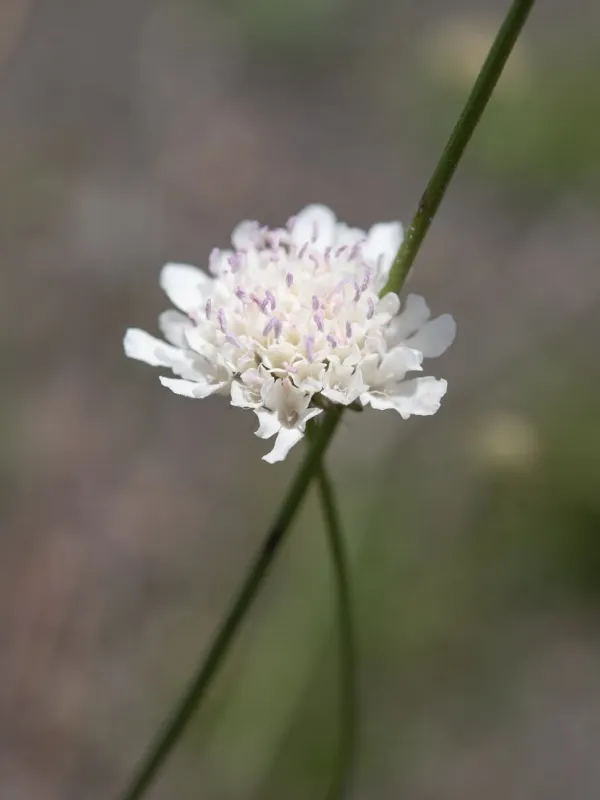
Description
Sowing dates
Scabiosa columbaria seeds are typically sown in early spring once the soil has warmed up, or in late autumn for milder climates. Providing a consistent temperature is crucial for early stages, as seeds require light to germinate efficiently and should not be covered too deeply.
Indoor propagation is highly effective for ensuring better survival rates. Seeds are sown in trays during February or March, with seedlings pricked out into individual pots once the first true leaves appear. This method allows for stronger plants before moving them to the permanent field site.
When transplanting into the ground, spacing is a vital factor. Maintaining a distance of 30–40 cm between plants helps prevent crowding and improves airflow, which is essential for reducing the humidity levels that often trigger fungal infections in dense plantings.
The germination period for hybrids of Scabiosa columbaria and Scabiosa japonica typically ranges from two to three weeks under optimal conditions of 18–20°C. Maintaining constant surface moisture during this period is essential for successful seedling emergence.
Seedbed preparation should involve fine-tuning the soil structure to be loose and free-draining. Adding a thin layer of fine grit or vermiculite over the seeds can help maintain the required moisture levels while preventing soil crusting around the delicate roots.
Growing requirements
Belonging to the Caprifoliaceae family, Scabiosa columbaria thrives in well-drained, fertile, and slightly alkaline or neutral soils. It is particularly sensitive to waterlogged conditions, which can lead to root decay, so selecting a location with natural drainage is paramount.
This species is highly photophilous and demands full sun exposure to maintain its compact growth habit and produce an abundance of blooms. In shaded environments, the plant tends to stretch and exhibit reduced flowering, losing its primary ornamental value.
The plant demonstrates significant drought tolerance once established, making it a low-maintenance choice for dry gardens. However, regular irrigation is beneficial during the initial phases of growth and throughout the peak flowering season to ensure optimal blossom quality.
Cultural management includes routine weeding to prevent competition for nutrients. Since the plant is sensitive to moisture at the crown, mulching should be done carefully, keeping the area directly around the stem clear to allow for proper airflow and drying.
Fertilization with potassium-rich nutrients in early summer supports prolonged blooming periods. Providing a balanced fertilizer prevents excessive vegetative growth, which can sometimes occur with high-nitrogen formulas and ultimately compromises the plant's structural integrity.
Main diseases and pests
Aphids and spider mites are the most frequent pests affecting this culture, especially during hot and dry spells. Regular inspection is recommended to identify early infestations, allowing for the application of targeted biological or mechanical control measures.
Powdery mildew represents the most significant disease risk, manifesting as a white coating on foliage. To minimize its impact, it is essential to provide adequate spacing between plants and ensure that foliage is dry as quickly as possible following any overhead watering.
Root rots caused by soil-borne pathogens are common in poorly drained or overly acidic soils. Improving drainage through the addition of organic matter or inorganic substrates can effectively mitigate these risks and support long-term plant health.
Slugs and snails often feed on young, succulent foliage in the spring. Implementing protective measures such as copper tape or fine grit borders around the base of the plant can deter these pests without requiring the use of harsh chemical molluscicides.
Good agricultural practice requires a rotation strategy to maintain soil health. Planting Scabiosa in the same spot for consecutive years increases the risk of pathogen buildup in the soil, so moving to new plots every 3–4 years is standard professional practice.