
Scabiosa ochroleuca
Scabiosa ochroleuca L.
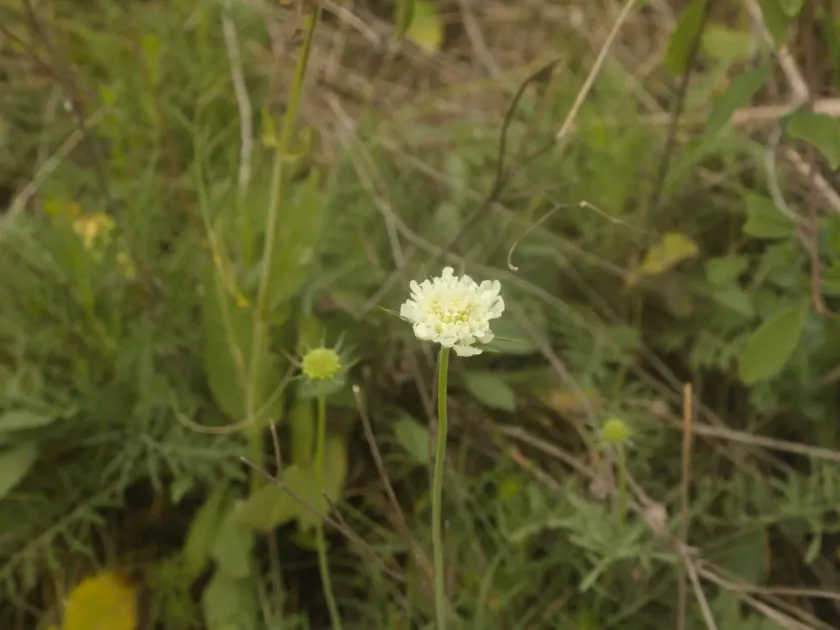
Description
Sowing dates
Scabiosa ochroleuca is propagated primarily through seeds. Sowing in open ground is typically performed in late autumn or early spring once the soil temperature is stable.
For greenhouse cultivation, seeds are sown in containers during March. A shallow sowing depth is crucial as light exposure is required for the seeds to germinate effectively.
The substrate should be a well-draining, lightweight mix to prevent seed rot. Germination usually occurs within two to three weeks under optimal warmth and moisture.
Seedlings should be pricked out into individual pots once the first two true leaves have emerged. This process helps build a stronger root system before transplanting.
Transplanting into the permanent garden site is done at a spacing of 25-30 centimeters. Adequate space allows for better airflow, which is vital for the health of the mature plant.
Growing requirements
Scabiosa ochroleuca belongs to the Caprifoliaceae family. It is a perennial herbaceous plant native to dry meadows, steppes, and stony slopes across Eurasia.
The plant thrives in full sun and requires well-lit conditions to bloom properly. Lack of sunlight will result in weak stems and a significant reduction in flower production.
The species prefers neutral to slightly alkaline, loose, and well-drained soils. It is notably drought-tolerant once established, making it suitable for low-maintenance landscapes.
Good agrotechnical practice includes regular soil aeration and weed control during the establishment phase. Mulching can help retain soil structure without causing excessive water retention.
This plant is winter-hardy and does not require special winter protection in most temperate climates. Excessive fertilization should be avoided as it encourages leafy growth at the expense of floral development.
Yield
The plant is highly valued in apiculture as a reliable late-summer honey plant. Its nectar production is favored by bees, making it a great choice for biodiversity plots.
In ornamental horticulture, Scabiosa ochroleuca is used for its delicate yellow flowers. The cut flowers have a long vase life, providing value for both home gardeners and florists.
Seed production is consistent if the plants are situated in favorable conditions. Harvest of the seed heads should occur when the heads turn brownish to ensure maturity.
The species acts as a soil binder on slopes and is useful in ecological restoration projects. Its resilience makes it an excellent choice for stabilizing disturbed areas.
As a source of pollen and nectar, it supports local pollinator populations throughout the growing season. Proper management ensures long-term yield of floral and seed resources.
Main diseases and pests
Powdery mildew is the most common fungal issue, particularly in humid or stagnant air environments. Good site selection and proper spacing are the best preventive measures.
Root rot occurs if the soil is too heavy or waterlogged. Ensuring that the site has excellent drainage is a critical component of the plant's long-term survival.
Aphids are the primary insect pests that target the plant's succulent growth. Periodic inspection of the stems and flower buds helps in managing pest populations before they spread.
Caterpillars can cause significant foliage damage during the active growing season. If control is necessary, choose products that are safe for beneficial insects like bees.
Disease prevention is managed through good hygiene practices, including removing infected plant material. Avoiding overhead irrigation can also reduce the risk of leaf-based infections.