
Cleft phlox
Phlox bifida L. C. Beck
Description
Growing requirements
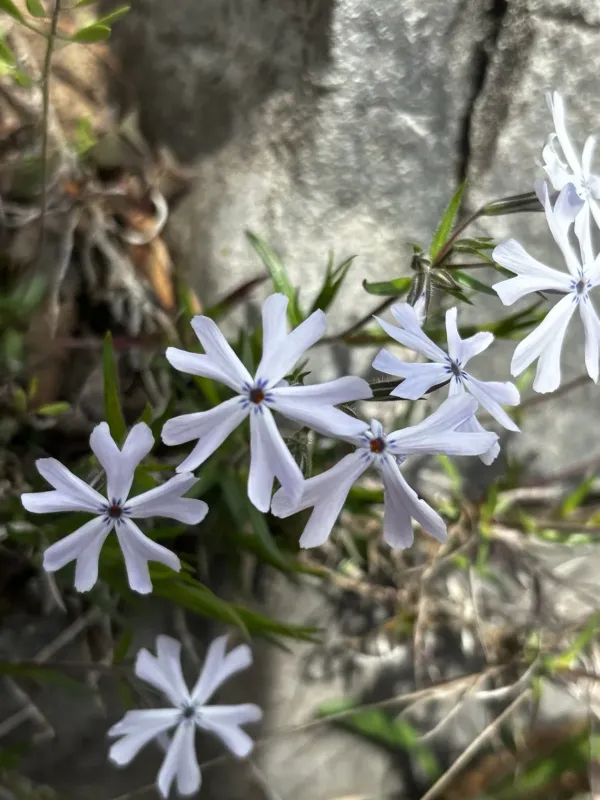
Cleft phlox (Phlox bifida) is a low-growing perennial herb belonging to the Polemoniaceae family. It is widely recognized for its star-shaped flowers with deeply cleft petals, which bloom profusely in spring, covering the foliage in shades of blue, violet, or white.
Native to North America, specifically occurring in dry, rocky, and sandy habitats, this species has evolved to be highly resilient. Its natural range encompasses various prairie regions, where it thrives in exposed areas with well-drained, nutrient-poor substrates.
Successful cultivation requires soil that mimics its native environment: sandy, gravelly, or well-draining loamy soils are ideal. The plant is particularly sensitive to "wet feet," meaning that soil compaction and poor drainage are the primary causes of winter kill and root rot.
Regarding climate, Cleft phlox is extremely cold-hardy and adaptable to a wide range of temperatures. It demands full sun exposure to maintain its dense, cushion-like growth habit and to produce the maximum number of blooms during the peak of its flowering season.
Maintenance is relatively straightforward, as the plant is drought-tolerant once established. Gardeners should focus on providing adequate space for air circulation to prevent moisture accumulation and performing light pruning after flowering to maintain the compact shape of the clumps.
Main diseases and pests
The most common disease affecting this species is powdery mildew, caused by fungal pathogens that thrive in humid or stagnant conditions. Improved air circulation around the plants and avoiding overhead irrigation can significantly reduce the risk of infection.
Nematodes are another major threat, affecting the root system and causing stunted growth or yellowing of the foliage. Soil solarization or selecting certified disease-free stock is crucial for preventing the introduction of these pests into the garden soil.
Spider mites represent the most significant insect pest, particularly in hot and arid environments. They feed on the underside of leaves, causing a stippled appearance and eventual decline of the plant, which often necessitates intervention with systemic acaricides.
Gastropods such as slugs and snails are problematic during the damp spring months, when they feed on emerging shoots and tender leaves. Implementing a mulch of crushed stone or gravel serves as an effective barrier while also providing the drainage the plant craves.
Chemical control should be used judiciously, prioritizing integrated pest management strategies. Rotating treatment products and ensuring plants are in optimal health through proper fertilization and watering are the best ways to keep the Cleft phlox vigorous and disease-free.