
Salvinia nymphellula
Salvinia nymphellula
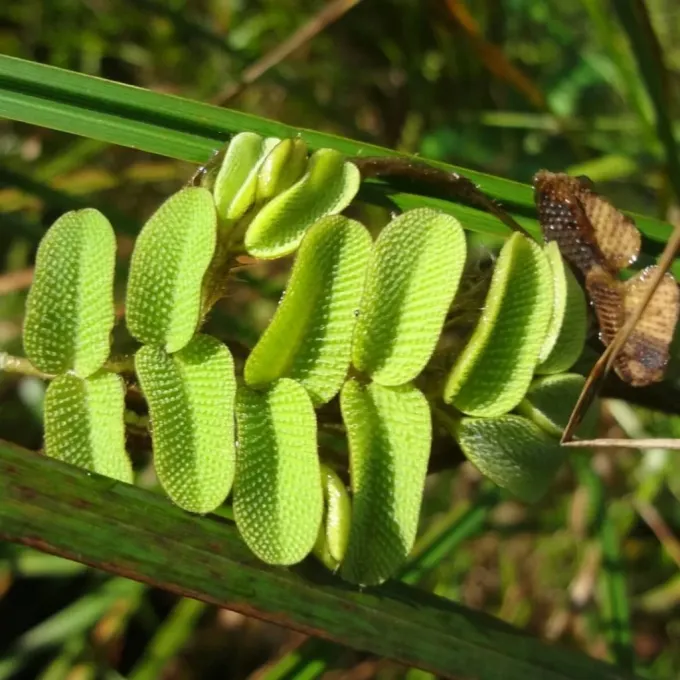
Description
Growing requirements
Salvinia nymphellula is a small, free-floating aquatic fern belonging to the Salviniaceae family. It is native to tropical wetlands and is highly valued for its ability to thrive in calm, nutrient-rich water environments.
The plant requires high levels of diffused light to support rapid vegetative growth. While it thrives in warm climates with water temperatures ranging from 22°C to 28°C, it is sensitive to frost and should be managed in controlled environments during colder periods.
Water quality parameters are essential for successful cultivation. The plant prefers slightly acidic to neutral water (pH 6.0–7.5) and responds positively to dissolved nitrogen and phosphorus, acting as an effective natural water purifier.
Botanically, the plant features modified leaves covered in microscopic hairs that repel water, ensuring the plant stays afloat. These structures are crucial for gas exchange and light interception, which drive its fast growth rate.
Propagation is strictly vegetative, occurring through the fragmentation of the primary stem. Under optimal conditions, a small cluster can cover the entire surface of a water body within a few weeks due to its aggressive growth habit.
Yield
Yield is measured by the rate of biomass accumulation per square meter of water surface. In controlled aquaculture setups, Salvinia nymphellula can yield significant amounts of organic matter, provided nutrients are continuously supplemented.
Harvesting is typically performed using mesh scoops or automated surface skimmers. Regular harvesting prevents the mat from becoming too thick, which can deplete oxygen levels beneath the plant layer.
The harvested biomass serves as a nutrient-rich organic fertilizer or compost additive, known for its high moisture-retention properties and decomposition rate in greenhouse soils.
Research into feed applications suggests that dried and processed Salvinia can be incorporated into aquatic animal diets, serving as a sustainable source of vegetable protein and fiber.
High yields depend on maintaining the balance between nutrient supply and light exposure, as overcrowding significantly reduces individual plant vigor and overall biomass quality.
Main diseases and pests
The primary threats include fungal pathogens such as water mold, which often thrive in stagnant environments with poor air circulation around the plants.
Insect pests, specifically aphids and certain types of mosquito larvae, can cause mechanical damage to the leaves and stem, potentially leading to plant tissue necrosis.
Iron deficiency is a common physiological disorder, characterized by interveinal chlorosis, which can be corrected by adding chelated iron to the water supply.
Competitive algae blooms pose a major threat by limiting the nutrient availability and light required for the Salvinia to maintain its dominance in the water body.
Environmental stress, such as sudden fluctuations in water pH or extreme temperature shifts, can cause the collapse of the leaf structure, resulting in rapid decay and water quality degradation.