


Reference · Crops
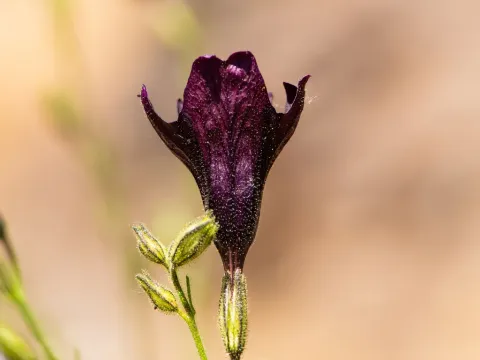
Painted Tongue
Salpiglossis
Salpiglossis is usually grown from seeds, requiring an early start indoors to ensure a long flowering season. Seeds should be sown in March or April using a lightweight, well-draining seed-starting mix.
1
items
What the section contains
Marketplace
Products in this section · 2

Painted Tongue
The seeds are exceptionally small and require light for germination; therefore, they should not be covered with soil, but only lightly pressed into the surface. Covering the tray with clear plastic helps maintain the necessary humidity.
Once seedlings have developed their first true leaves, they should be provided with ample light to prevent legginess. A temperature range of 18 to 22 degrees Celsius is optimal for healthy initial growth.
Transplanting into the garden should only occur after all risk of frost has passed in late spring. It is highly recommended to use biodegradable pots to minimize root disturbance, as the plant is sensitive to transplanting.
Proper spacing is crucial to prevent overcrowding, which can inhibit development. Planting seedlings 25 to 30 centimeters apart allows for sufficient air circulation and promotes fuller, healthier plant development.
As a member of the Solanaceae family, Salpiglossis thrives in full sun conditions. Selecting a site that receives direct sunlight throughout the day is essential for producing the most vibrant and numerous blooms.
The soil must be fertile, rich in organic matter, and possess excellent drainage properties. While the plant appreciates consistent moisture, it is extremely intolerant of waterlogged soil, which leads to root rot.
Watering should be managed carefully, ensuring the soil remains moist but never saturated. In hot, dry weather, mulching around the base of the plant can help retain soil moisture and regulate ground temperature.
Applying a balanced liquid fertilizer every two weeks throughout the growing season encourages vigorous growth and sustained flowering. A higher potassium ratio is beneficial during the blooming phase to enhance color intensity.
Pinching the growing tips of young plants is a vital horticultural practice. This action redirects energy toward the lateral buds, resulting in a bushier habit and a significantly higher number of flower stems.
Common pests that affect Salpiglossis include aphids and thrips. These insects can cause stunted growth and deformed leaves, requiring the use of appropriate insecticidal soap or systemic treatments for control.
Fungal diseases, particularly powdery mildew and various root rots, are significant threats during periods of high humidity or poor ventilation. These conditions often arise when plants are spaced too closely together.
Sanitation is a primary defense against pathogens. Removing debris from around the base of the plants and ensuring good air movement are simple yet effective strategies to maintain a healthy garden environment.
When symptoms of powdery mildew appear, fungicides containing sulfur or copper can be applied as a curative measure. It is also important to remove and destroy any severely affected plant tissues immediately.
Monitoring the plants throughout the season is essential. By identifying pest infestations or disease symptoms at the early stage, gardeners can intervene effectively and preserve the beauty of the plants.